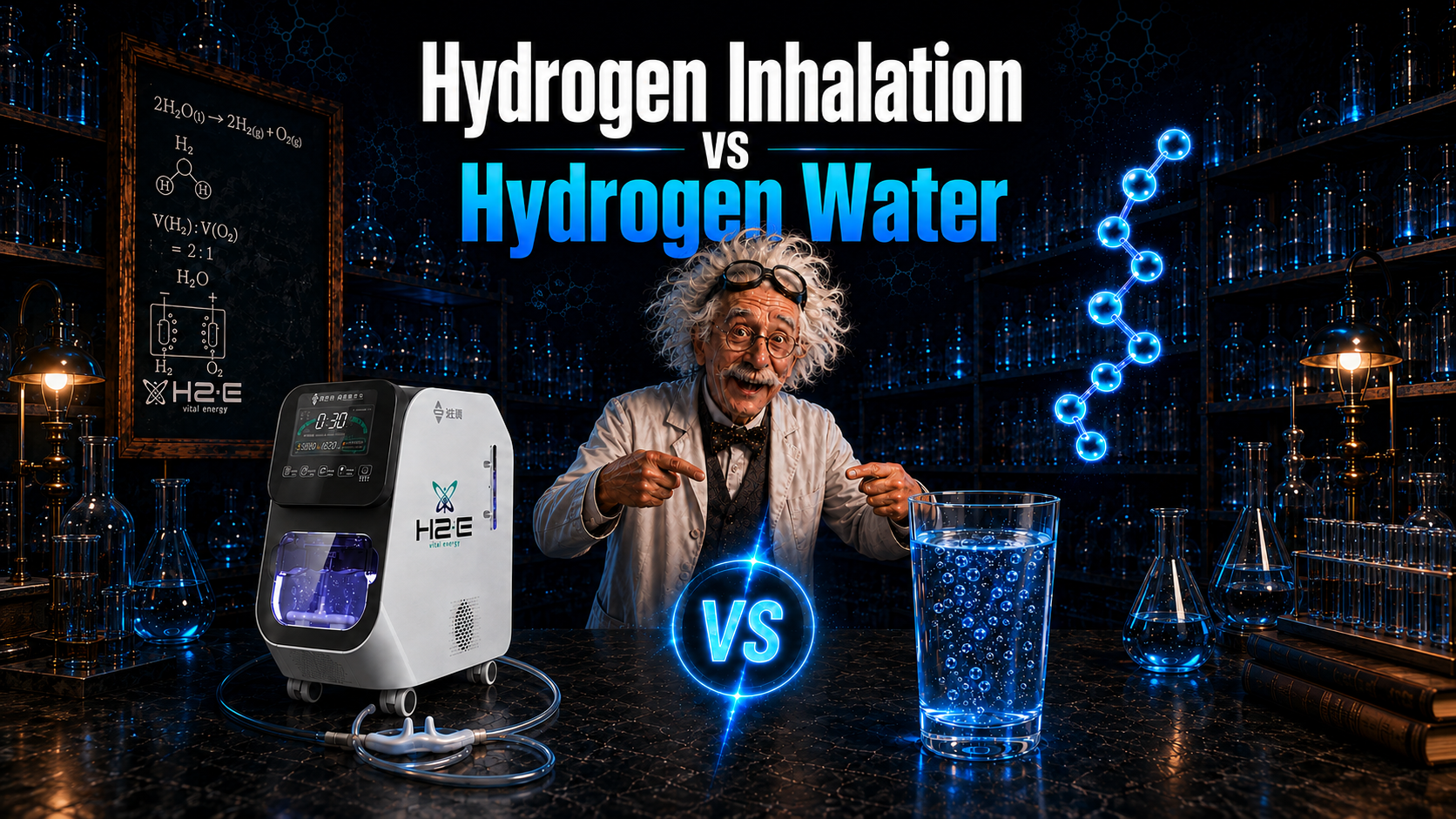

How Mitochondria and Hydrogen Therapy Connect
The connection between mitochondria and hydrogen therapy is becoming an interesting area of research. Scientists are investigating whether molecular hydrogen may influence oxidative stress, inflammatory signalling and the cellular environment in which mitochondria produce energy.
What if you are not tired simply because you are getting older—or because you need another cup of coffee?
Ask yourself:
Do you wake after a full night’s sleep feeling as though you never slept?
Do you regularly crash in the afternoon?
Does it take longer than expected to recover after a gym session?
Do ordinary tasks leave you more fatigued than you think they should?
These experiences do not automatically mean that something is wrong with your mitochondria. Poor sleep, anaemia, thyroid disease, infection, medication effects and many other conditions can cause fatigue. But part of the story may sometimes be happening much deeper, inside the microscopic structures responsible for producing most of the energy your cells use every day.
Those structures are your mitochondria.
When they are functioning well, mitochondria help transform energy from food, using oxygen, into adenosine triphosphate or ATP—the immediate energy currency used throughout the body.
But mitochondria do much more than manufacture energy. They also monitor and respond to their cellular environment. When cells encounter significant stress, protective pathways can change how energy is produced, used and prioritised.
A useful way to picture this is that the mitochondria face two questions:
Do I produce energy—or do I protect myself?
Mitochondria do not literally think, ask questions or “feel unsafe.” This is a metaphor for something biologically real: cells continuously sense oxygen availability, nutrient status, oxidative pressure, inflammation and damage. Under difficult conditions, they can activate stress responses intended to preserve cellular survival and restore balance.
This may come with a trade-off. When protection and repair become priorities, normal energy metabolism can become less efficient—or more energy may be required simply to maintain cellular balance.
So where might molecular hydrogen therapy fit into this picture?
Researchers are investigating whether H₂ can help regulate oxidative stress, inflammatory signalling and mitochondrial function. The science is promising—but still developing.
What are mitochondria?
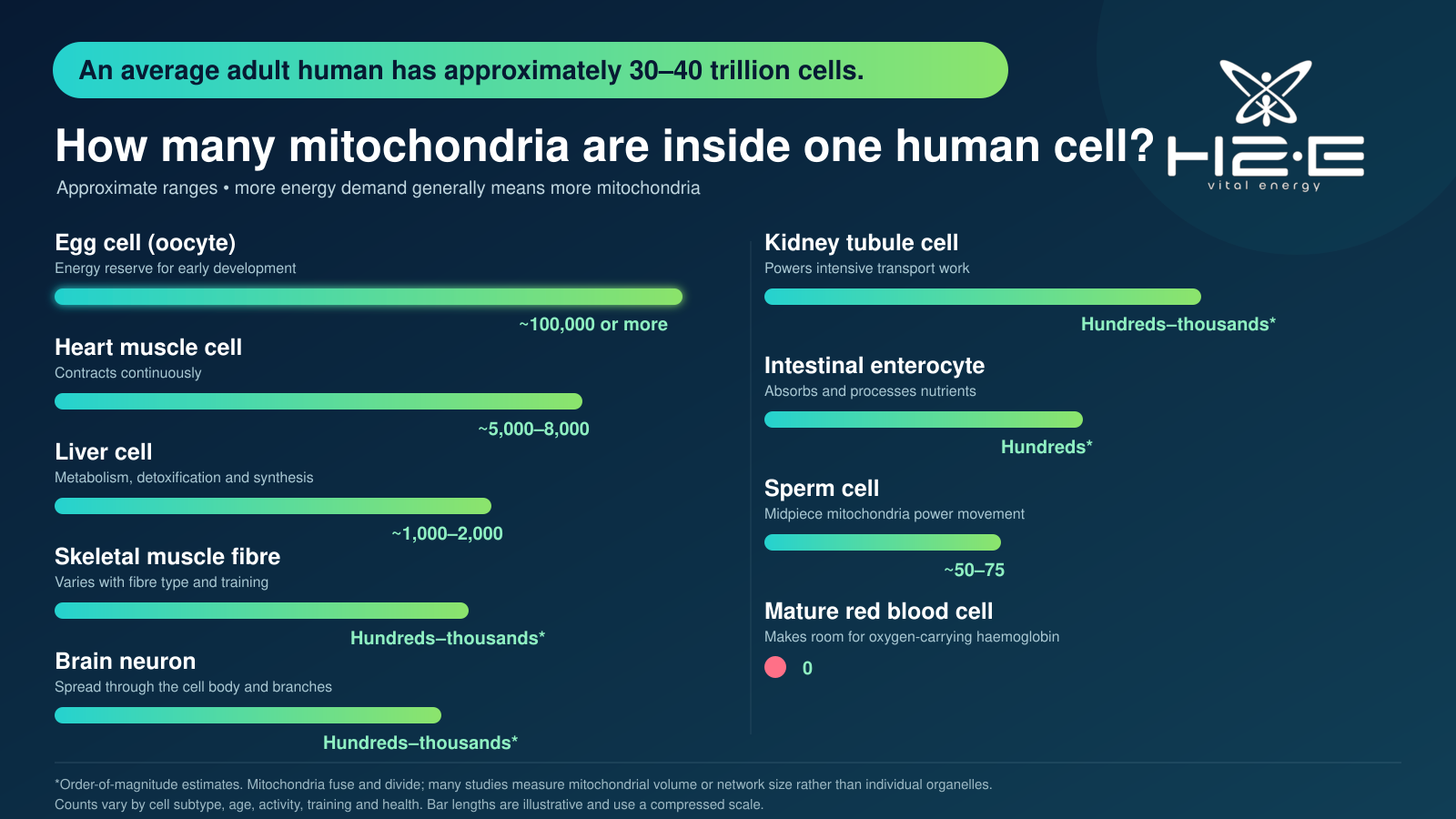
Mitochondria are small, dynamic structures found inside most human cells. They are often called the “powerhouses” of the cell, although this description captures only part of their role.
In addition to ATP production, mitochondria help regulate:
Cellular metabolism
Calcium signalling
Reactive oxygen species
Immune and inflammatory responses
Programmed cell death
Adaptation to stress
The removal of damaged cellular components
Their importance is especially apparent in tissues with high energy demands, including the brain, heart and skeletal muscles.
Mitochondria are not static batteries. They form dynamic networks, change shape, divide, fuse and communicate with the rest of the cell. Damaged mitochondria may be isolated and removed through mitophagy, while mitochondrial biogenesis helps produce new mitochondrial components.
Healthy energy metabolism therefore depends not only on how many mitochondria we have, but also on their quality, efficiency and ability to adapt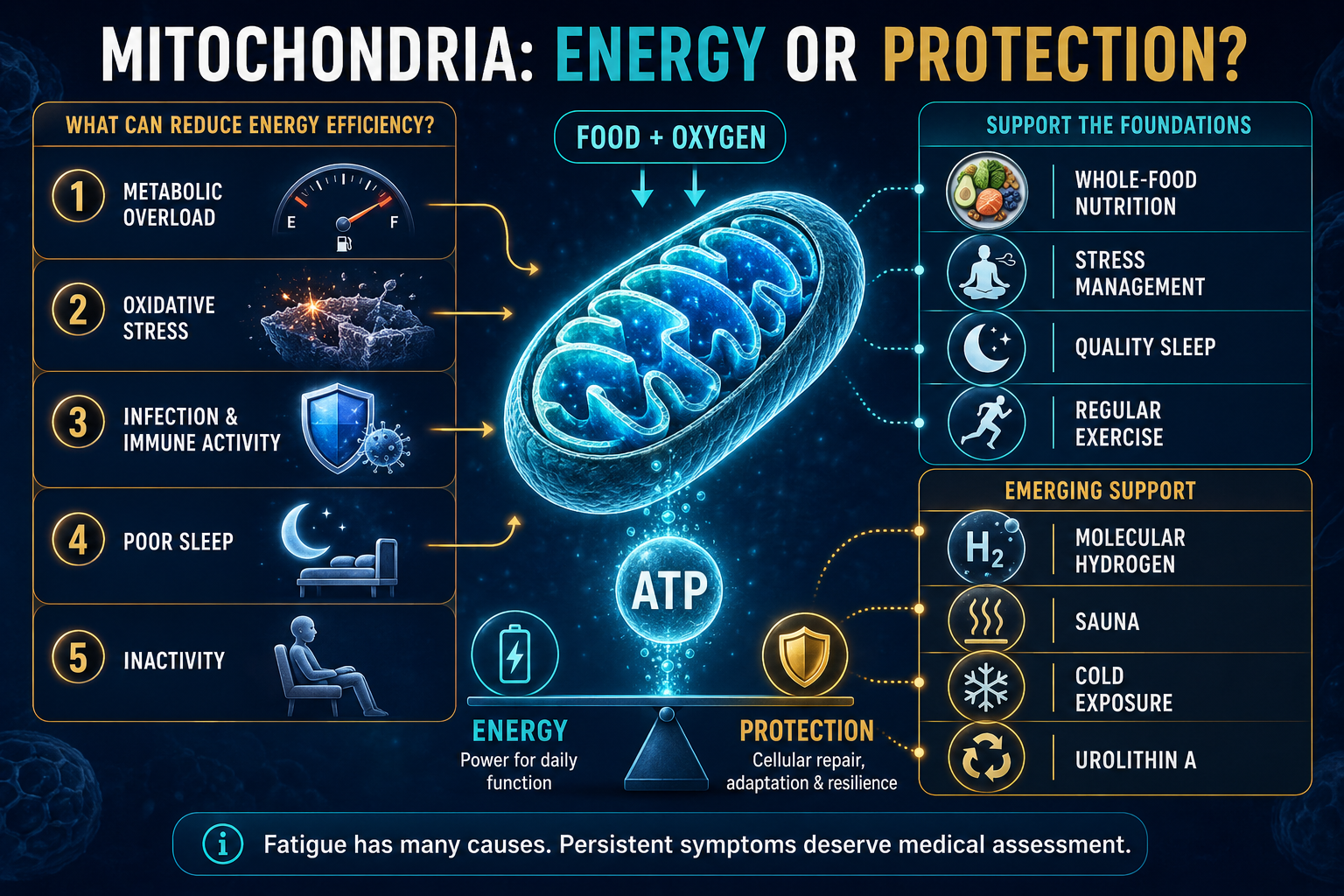
How mitochondria turn food and oxygen into ATP
The food we eat is broken down into smaller molecules, including glucose, fatty acids and amino acids. These nutrients enter interconnected metabolic pathways that generate high-energy electrons.
Inside mitochondria, those electrons travel through the electron transport chain located within the inner mitochondrial membrane. Their movement helps create an electrochemical gradient. ATP synthase then uses this gradient to produce ATP from ADP and phosphate.
Oxygen plays a crucial final role by accepting electrons at the end of the chain. Without adequate oxygen, oxidative phosphorylation cannot continue normally, and cells must depend more heavily on other, less efficient routes of ATP generation.
ATP is then used to support processes such as:
Muscle contraction
Nerve signalling
Protein synthesis
Cellular repair
Maintenance of ion gradients
Normal organ function
The system is extraordinarily effective—but it must remain carefully regulated.
Why energy production also creates cellular stress
Mitochondria naturally produce reactive oxygen species, often abbreviated as ROS, during energy metabolism.
ROS are not automatically harmful. At controlled levels, they contribute to normal cell signalling and help the body adapt to exercise and other challenges.
Problems can arise when ROS production exceeds the cell’s antioxidant and repair capacity. This imbalance is known as oxidative stress.
Excessive or persistent oxidative stress can damage:
Mitochondrial membranes
Proteins and enzymes
Cellular lipids
Mitochondrial DNA
Components of the electron transport chain
Damaged mitochondria may then generate energy less efficiently and contribute to further oxidative and inflammatory signalling, potentially creating a self-reinforcing cycle.
This does not mean that oxidation should be eliminated. It means that cells need to maintain redox balance—enough reactive signalling for normal function without allowing damaging reactions to become excessive.
“Energy or protection?” Understanding the mitochondrial stress response
When mitochondrial function becomes disturbed, cells can activate adaptive programmes such as the mitochondrial unfolded protein response and the broader integrated stress response.
These systems can:
Increase the production of protective proteins and molecular chaperones
Strengthen antioxidant and detoxification pathways
Slow some aspects of protein synthesis
Remove damaged proteins or mitochondria
Reprogramme metabolism
Promote cellular repair and survival
In the short term, these responses can be protective. They allow cells to conserve resources and focus on recovery.
However, prolonged or dysregulated stress responses may become harmful. Chronic mitochondrial stress can affect normal cellular activity, energy efficiency and tissue function.
This is the scientific basis behind the “energy or protection” metaphor: under stress, cells may temporarily redirect resources away from growth and routine activity towards defence, repair and survival.
The biology is much more complex than a simple on/off switch. Mitochondria can continue producing ATP while stress responses are active, and sometimes mild stress actually strengthens cellular resilience. But sustained stress may make energy production less efficient or increase the energetic cost of maintaining normal function.
Could mitochondrial dysfunction contribute to tiredness?
Mitochondrial dysfunction can contribute to fatigue in certain diseases and may play a role in age-related declines in muscle performance. However, feeling tired does not prove that someone has damaged mitochondria.
Fatigue has many potential causes, including:
Poor sleep or sleep apnoea
Iron, vitamin B12 or folate deficiency
Thyroid disorders
Infection or chronic inflammation
Diabetes and unstable blood glucose
Dehydration or electrolyte imbalance
Depression, anxiety or chronic stress
Medication effects
Cardiovascular or respiratory disease
Inadequate calorie or protein intake
Primary mitochondrial disorders
Caffeine may temporarily increase alertness by blocking adenosine receptors, but it does not identify or correct the underlying cause of persistent fatigue.
Anyone experiencing unexplained, severe or worsening tiredness should seek appropriate medical assessment rather than assuming that mitochondria—or ageing—are responsible.
What can interfere with efficient ATP production?
Cells do not normally stop producing ATP altogether; if they did, they could not survive. The more useful question is what may reduce mitochondrial efficiency, increase energy demand or divert resources towards protection and repair.
1. Persistent fuel surplus and metabolic overload
Food is essential fuel. The problem is not eating carbohydrates, fats or calories—it is the persistent mismatch that can occur when more energy enters the system than the body can comfortably use or store.
Chronic energy surplus, especially alongside inactivity and poor metabolic health, may contribute to:
Insulin resistance
Accumulation of fat in the liver and other tissues
Increased inflammatory signalling
Disturbed mitochondrial flexibility
Greater production of reactive oxygen species
Over time, metabolic dysfunction is associated with damage to blood vessels and increased risk of cardiovascular, kidney and other chronic diseases. This is a gradual, multifactorial process; overeating does not directly “destroy” an organ after a meal.
The goal is not extreme restriction. It is to give the body enough high-quality fuel without continually overwhelming its capacity to process and store it.
2. Oxidative damage to mitochondrial membranes
The inner mitochondrial membrane is where the electron transport chain and ATP synthase perform much of their work. Its structure and integrity are essential for efficient oxidative phosphorylation.
When oxidative stress becomes excessive, it can damage membrane lipids, proteins, mitochondrial DNA and components of the respiratory chain.
Potential contributors include:
Smoking and some environmental pollutants
Chronic psychological stress
Poorly controlled blood glucose
Excessive alcohol consumption
Nutritionally poor dietary patterns dominated by ultra-processed foods
Inflammation and certain illnesses
No single food instantly damages every mitochondrion, and “detoxing” is not the answer. The relevant pattern is repeated exposure combined with inadequate recovery and antioxidant defence.
3. Infection and immune activation
Fighting an infection requires energy. Immune cells change their metabolism, produce signalling molecules and redirect resources towards defence.
This can help explain why acute infections commonly cause:
Fatigue
Reduced appetite
Muscle weakness
A greater need for rest
Slower exercise recovery
In some people, symptoms continue after the initial infection has resolved. This does not always mean that a hidden pathogen is still present; post-infectious inflammation, autonomic changes, sleep disruption and other mechanisms may contribute.
Persistent fever, night sweats, unexplained weight loss, swollen glands or prolonged worsening fatigue should be medically assessed. It is unsafe to diagnose or treat a supposed chronic infection based only on low energy.
4. Poor or disrupted sleep
Mitochondria do not only participate in energy production. They are also involved in signalling, adaptation, repair and quality control.
Sleep provides a recurring period in which the body coordinates hormonal regulation, immune function, brain housekeeping and cellular repair. Sleep and circadian rhythms also interact with mitochondrial metabolism and quality-control pathways.
Mitophagy—the selective recycling of damaged mitochondria—does not occur exclusively during sleep. However, chronic sleep deprivation is associated with greater oxidative stress and impaired mitochondrial function, and may interfere with normal repair and quality control.
Think of sleep as part of the body’s maintenance shift. Repeatedly shortening or disrupting that shift can make the next day’s energy demands harder to meet.
Waking unrefreshed despite enough time in bed can also suggest snoring, sleep apnoea, restless legs, pain, reflux or another sleep disorder—not simply a need for more caffeine.
5. Too little demand for energy
The body adapts to what it is repeatedly asked to do. When muscles are rarely challenged, there is less stimulus to maintain a large, efficient mitochondrial network.
Even a single exercise session can activate signalling associated with mitochondrial biogenesis. In simple language, movement tells the body:
We are going to need more capacity—prepare to produce and use energy more effectively.
One workout per week is better than none and can be a realistic starting point. Lasting improvements, however, usually require regular aerobic movement, resistance training and progressive challenge rather than one isolated session.
What is molecular hydrogen therapy?
Molecular hydrogen therapy involves delivering H₂ through approaches such as hydrogen-rich water or controlled hydrogen-containing gas mixtures.
Because H₂ is an exceptionally small molecule, it can diffuse rapidly across biological membranes and reach cellular compartments, including mitochondria.
The landmark 2007 study that helped revive medical interest in H₂ proposed that molecular hydrogen could reduce particularly reactive oxygen species and protect cells from oxidative injury. Since then, researchers have explored a broader range of mechanisms.
H₂ is now being investigated not merely as a direct radical scavenger, but as a possible redox-modulating signalling molecule.
Proposed and observed effects in experimental research include:
Modulation of excessive oxidative stress
Reduced lipid peroxidation
Activation of antioxidant defences involving Nrf2
Modulation of inflammatory signalling
Support for mitochondrial membrane function
Regulation of cell-survival and stress-response pathways
The precise primary biological target of molecular hydrogen remains unsettled. Different effects may also occur depending on the tissue, health condition, delivery method and degree of cellular stress.
How might hydrogen support the mitochondrial environment?
If mitochondrial energy production is a controlled biological fire, then oxidative stress is not simply the presence of a flame—it is what happens when the fire becomes poorly regulated and begins damaging its surroundings.
Molecular hydrogen is being studied for its potential to help restore balance rather than extinguish every reactive signal.
The theoretical sequence is:
Nutrients and oxygen support mitochondrial ATP production.
Energy metabolism naturally produces reactive molecules.
Excessive stress can impair membranes, proteins and mitochondrial efficiency.
Cells activate protective and repair pathways.
H₂ may influence redox-sensitive and inflammatory signalling, helping regulate this stressed cellular environment.
This does not mean that hydrogen “forces” mitochondria to make more energy or acts as a fuel for ATP production. H₂ does not supply calories, oxygen or ATP.
Instead, the research question is whether it can help create conditions in which normal mitochondrial and cellular processes function more effectively—particularly when oxidative or inflammatory stress is present.
Does hydrogen therapy increase ATP?
Laboratory and animal studies have reported improvements in mitochondrial membrane potential, respiratory-chain function or ATP-related measures in particular models. These findings provide biological reasons for continued investigation.
However, it is not yet scientifically responsible to claim that hydrogen therapy reliably increases ATP throughout the human body.
Human studies have examined outcomes such as exercise performance, perceived fatigue, recovery, metabolic markers and quality of life. Some have reported favourable changes, while others have found limited or no meaningful differences from placebo.
For example, a small randomised, double-blind study reported improved endurance and psychometric fatigue after hydrogen-rich water. Other controlled exercise studies have produced mixed results, including studies that found little effect on recovery or oxidative-stress measures.
These variations matter. Exercise fatigue, chronic fatigue and fatigue caused by illness are not biologically identical, and results from one population cannot automatically be transferred to another.
A practical strategy for supporting cellular energy
There is no single mitochondrial switch—and no therapy can compensate indefinitely for chronic sleep loss, inactivity, nutritional imbalance or an untreated health condition.
The foundations come first.
Avoid persistent overeating
Eat enough to support your needs without treating every meal as an opportunity to maximise intake. Portion awareness, fibre-rich whole foods and periods between meals can help some people regulate appetite and metabolic load without resorting to extreme fasting.
Reduce ultra-processed foods
Build most meals around minimally processed sources of:
Protein
Vegetables and fruit
High-fibre carbohydrates
Healthy fats
Protein supports muscle maintenance and adaptation. Carbohydrates and fats both provide useful fuel; their appropriate balance depends on activity, health and individual tolerance. The goal is nourishment and metabolic flexibility—not fear of an entire macronutrient group.
Address chronic stress
Chronic psychological stress can disrupt sleep, appetite, glucose regulation, inflammation and recovery.
“Do something about stress” does not have to mean eliminating every difficulty. It can mean establishing boundaries, getting professional support, spending time outdoors, praying or meditating, reducing alcohol, improving time management or building a daily period in which the nervous system is not continually stimulated.
Prioritise sleep
Protect a consistent sleep window, obtain morning daylight, reduce late-night stimulation and address anything that repeatedly interrupts sleep.
If you sleep for seven to nine hours yet wake feeling as though you have not slept, investigate sleep quality rather than simply extending time in bed or adding more caffeine.
Give your body a reason to adapt
Combine regular walking or aerobic activity with resistance training. Start at a level you can recover from and build gradually.
The aim is not to exhaust yourself every day. It is to provide a repeated biological signal that your muscles need greater strength, energy capacity and resilience.
Where do hydrogen therapy, sauna, cold exposure and urolithin A fit?
These approaches should be viewed as optional layers around the foundations—not replacements for them.
Molecular hydrogen therapy
H₂ is being investigated for effects on oxidative stress, inflammatory signalling and mitochondrial function. It does not provide ATP or substitute for oxygen, nutrition, sleep or exercise. Human results remain mixed, and hydrogen is not an established treatment for chronic fatigue or mitochondrial disease.
Sauna
Heat exposure can increase heart rate and blood flow and activates heat-stress responses. Observational research links regular sauna use with several health outcomes, but this does not prove that sauna directly repairs mitochondria or treats fatigue.
People with unstable cardiovascular disease, low blood pressure, dehydration risk or certain medical conditions should seek individual advice. Hydration matters.
Cold exposure
Cold-water immersion may temporarily improve alertness or reduce soreness for some people. It is a stressor, not automatically a mitochondrial treatment.
Using it immediately after every resistance-training session may reduce some of the signals involved in strength or muscle adaptation. If building muscle is the goal, separate cold immersion from resistance training where practical.
Urolithin A
Urolithin A is being studied for its ability to support mitophagy—the recycling of damaged mitochondria. Human trials have reported changes in mitochondrial biomarkers and some muscle-function outcomes, although not every outcome has improved.
Its proposed cellular role is different from molecular hydrogen: urolithin A focuses more directly on mitochondrial quality control, while H₂ is investigated more broadly for redox and inflammatory regulation. The combination has not yet been proven superior in human clinical trials.
How do you know whether your strategy is working?
Keep the first assessment simple:
Do you feel better, function better and recover better?
Do not judge progress from one unusually good or bad day. Track a few meaningful measures for several weeks:
Morning energy from 1–10
Frequency and severity of afternoon crashes
Sleep duration and how refreshed you feel on waking
Gym performance and time needed to recover
Walking pace or tolerance for ordinary activity
Reliance on caffeine to get through the day
Any unwanted effects from a new intervention
Change one or two things at a time. If you start hydrogen, sauna, cold plunges, a supplement and a new diet simultaneously, you will not know what helped—or what caused a problem.
Feeling better matters, but it is not the only measure of health. Depending on the situation, blood pressure, glucose control, thyroid tests, blood count, iron, vitamin B12 and other medical measures may be more informative.
If fatigue is persistent, severe, worsening or accompanied by chest pain, shortness of breath, fainting, fever, unexplained weight loss, weakness or neurological symptoms, seek medical care rather than continuing to experiment with wellness therapies.
The H2=E perspective
The idea that mitochondria continually balance energy production with cellular protection is a powerful way to understand why mitochondrial health involves more than simply consuming more stimulants.
But it needs to be expressed accurately.
Your mitochondria are not frightened, and they do not consciously withhold energy. Instead, cells sense changes in nutrients, oxygen, inflammation and oxidative pressure. When stress is significant, they can alter metabolism and activate protective programmes designed to preserve survival and restore balance.
Molecular hydrogen is scientifically interesting because it may interact with this stressed cellular environment. Its small size allows rapid diffusion, and experimental research suggests effects on redox regulation, inflammation and mitochondrial function.
The responsible conclusion is:
Hydrogen therapy does not provide energy directly. It is being investigated for whether it can help regulate cellular stress pathways that influence how mitochondria function.
That is a promising research question—not yet a universal clinical answer to fatigue or ageing.
Frequently asked questions
Do mitochondria produce all the body’s energy?
Mitochondria generate most ATP through oxidative phosphorylation in many human cells, but ATP can also be produced through glycolysis outside the mitochondria. Some cells, such as mature red blood cells, do not contain mitochondria.
Can damaged mitochondria make you feel tired?
Mitochondrial dysfunction can contribute to fatigue in some diseases and may affect exercise capacity or muscle performance. However, tiredness has many possible causes and cannot be diagnosed as a mitochondrial problem from symptoms alone.
Does caffeine improve mitochondrial function?
Caffeine primarily increases alertness by blocking adenosine receptors. It may influence metabolism and exercise performance, but using caffeine to mask persistent tiredness does not address potential sleep, nutritional, hormonal or medical causes.
Is molecular hydrogen an antioxidant?
It is frequently described as an antioxidant, but current research suggests a more complex role involving redox-sensitive signalling and activation of the body’s own protective pathways. Its precise primary mechanism remains under investigation.
Can hydrogen therapy increase cellular energy?
Experimental studies suggest possible effects on mitochondrial function under certain conditions, but robust evidence that hydrogen therapy consistently increases ATP or treats fatigue in humans is not currently available.
Is tiredness simply a normal part of ageing?
Energy levels and recovery can change with age, but persistent or worsening fatigue should not automatically be dismissed as normal ageing. Sleep disorders, anaemia, thyroid disease, medication effects and other treatable causes should be considered.
Can one workout improve mitochondrial health?
A single exercise session can activate signalling involved in mitochondrial adaptation. One weekly session is a worthwhile starting point, but repeated training is generally needed to build and maintain meaningful improvements in fitness and mitochondrial capacity.
Should I use a cold plunge after the gym?
Cold-water immersion may reduce soreness for some people, but regular use immediately after resistance training may interfere with some strength and muscle-building adaptations. Timing should reflect whether your priority is rapid recovery or long-term adaptation.
Can hydrogen, sauna, cold exposure and urolithin A replace lifestyle changes?
No. They should be considered optional supportive approaches with different levels of evidence. They cannot compensate for untreated illness, persistent sleep deprivation, poor nutrition or inactivity.
The science surrounding mitochondria and hydrogen therapy is promising, but further human research is needed before firm clinical conclusions can be reached.
Mitochondrial health involves more than simply producing ATP. Cells must also regulate oxidative stress, maintain mitochondrial quality and remove damaged components. Learn more about how hydrogen therapy may complement urolithin A through their different cellular pathways. You can also explore how chronic inflammation connects with major areas of disease research and why controlling persistent cellular stress may matter for long-term health.
References
Ohsawa I, et al. Hydrogen acts as a therapeutic antioxidant by selectively reducing cytotoxic oxygen radicals. Nature Medicine. 2007. PubMed
Melber A, Haynes CM. UPRmt regulation and output: a stress response mediated by mitochondrial-nuclear communication. Cell Research. 2018. View article
Barancik M, et al. Molecular and Cellular Mechanisms Associated with Effects of Molecular Hydrogen in Cardiovascular and Central Nervous Systems. Antioxidants. 2020. View review
Zhang X, et al. Mitochondria: one of the vital hubs for molecular hydrogen’s biological functions. Frontiers in Cell and Developmental Biology. 2023. View review
Xu X, et al. Mitochondria in oxidative stress, inflammation and aging. Signal Transduction and Targeted Therapy. 2025. View review
Mikami T, et al. Drinking hydrogen water enhances endurance and relieves psychometric fatigue: a randomized, double-blind, placebo-controlled study. Canadian Journal of Physiology and Pharmacology. 2019. PubMed
Zhou K, et al. Effects of 8 days intake of hydrogen-rich water on muscular damage, exercise performance, and recovery in resistance-trained men. 2024. PubMed
Protasi F, et al. Improper Remodeling of Organelles Deputed to Ca²⁺ Handling and Aerobic ATP Production Underlies Muscle Dysfunction in Ageing. International Journal of Molecular Sciences. 2021. PubMed
Zhao M, et al. Mitochondrial dysfunction in sleep deprivation. Metabolic Brain Disease. 2026. PubMed
Gibala MJ, et al. Brief intense interval exercise activates AMPK and p38 MAPK signaling and increases the expression of PGC-1α in human skeletal muscle. Journal of Applied Physiology. 2009. PubMed
Singh A, et al. Urolithin A improves muscle strength, exercise performance, and biomarkers of mitochondrial health in a randomized trial in middle-aged adults. Cell Reports Medicine. 2022. PubMed
Liu S, et al. Effect of Urolithin A Supplementation on Muscle Endurance and Mitochondrial Health in Older Adults. JAMA Network Open. 2022. PubMed
Grgic J. Effects of post-exercise cold-water immersion on resistance training-induced gains in muscular strength: a meta-analysis. European Journal of Sport Science. 2023. PubMed
Medical disclaimer: This article is for education only and does not provide medical advice. Molecular hydrogen is not an established treatment for fatigue, mitochondrial disease, ageing or any other medical condition. Persistent, severe or unexplained fatigue should be assessed by an appropriately qualified healthcare professional.