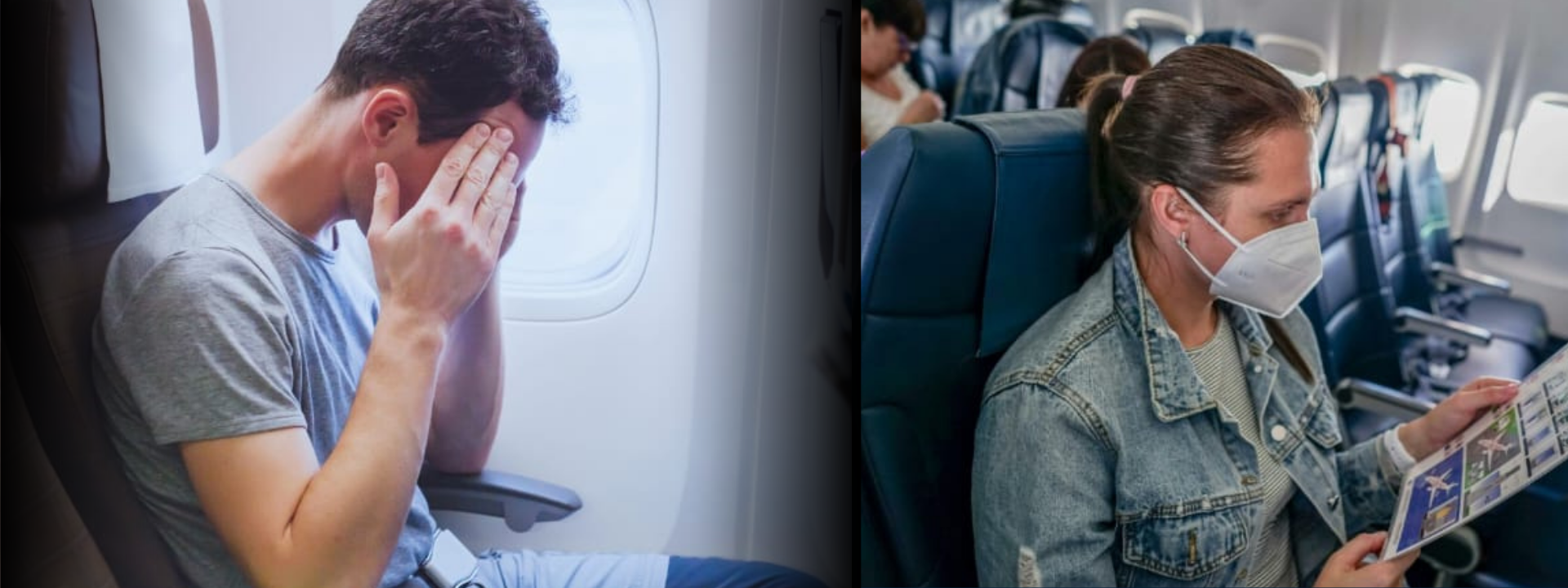

Long flights can leave travelers feeling exhausted, dehydrated, mentally foggy and sometimes even unusually sensitive to alcohol. These effects are commonly associated with jet lag and travel fatigue, two conditions that affect millions of people every year.
But what if there was a way to support the body’s recovery during and after travel?
Recent research on molecular hydrogen (H₂) suggests it may help reduce some of the physiological stress associated with long-distance travel.
In this article we explore:
- Why jet lag and travel fatigue happen
- Why alcohol affects people differently during flights
- How molecular hydrogen may help support recovery
- What Happens to Your Body During Long Flights?
Long-haul flights place your body under several stressors at once.
These include:
1. Cabin Pressure and Lower Oxygen Levels
Commercial aircraft cabins are typically pressurized to the equivalent of 6,000–8,000 feet altitude.
This means oxygen levels are lower than what you experience at sea level, which can contribute to:
- Fatigue
- Mild headaches
- Brain fog
- Increased oxidative stress
2. Dehydration
Cabin humidity is extremely low — often around 10–20%, much lower than normal indoor environments.
This leads to:
- Dehydration dry skin and eyes
- Thicker blood circulation
- Increased fatigue
3. Circadian Rhythm Disruption
When crossing multiple time zones, the body’s internal clock (circadian rhythm) becomes misaligned with the local day-night cycle.
Symptoms of jet lag may include:
- Insomnia
- Daytime sleepiness
- Digestive discomfort
- Reduced concentration
- Mood changes
4. Increased Oxidative Stress
Long travel, sleep disruption and mild hypoxia can increase the production of reactive oxygen species (ROS) — unstable molecules that contribute to fatigue and inflammation.
Why Do People Get Drunk Faster on Airplanes?
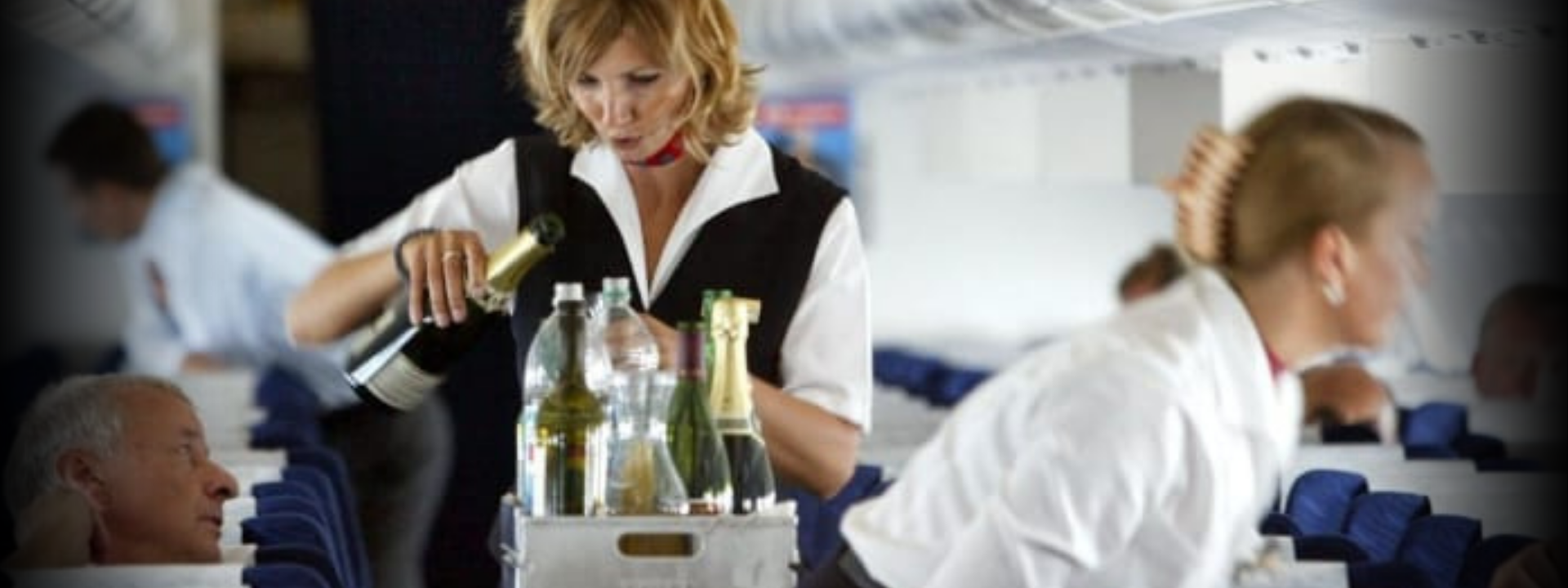
Many travelers report that alcohol seems to affect them more quickly during flights.
There are several physiological reasons for this.
- Mild Hypoxia
- Because oxygen levels are slightly lower in the cabin, the body may become more sensitive to alcohol’s depressant effects on the central nervous system.
- Dehydration
- Alcohol is a diuretic, meaning it promotes fluid loss. Combined with already dry cabin air, this can intensify alcohol’s effects.
- Fatigue and Sleep Disruption
- When the body is already tired and under circadian stress, alcohol may feel stronger because the nervous system is more sensitive.
- Reduced Blood Oxygen
- Alcohol can further reduce oxygen transport efficiency in the blood, compounding the mild hypoxic environment of the aircraft.
For these reasons, even moderate drinking during flights may lead to quicker intoxication and stronger hangover-like symptoms after landing.
Molecular Hydrogen and Travel Recovery
Molecular hydrogen (H₂) has gained attention in recent years for its potential role in supporting the body’s antioxidant and anti-inflammatory systems.
Unlike many traditional antioxidants, hydrogen is a selective antioxidant, meaning it may help neutralize some of the most harmful reactive oxygen species without interfering with beneficial cellular signaling.
Potential Benefits for Travelers
Research suggests molecular hydrogen may help support the body in several ways relevant to travel fatigue.
- Reducing oxidative stress.Long flights increase oxidative stress in the body. Hydrogen has been shown in multiple studies to help reduce oxidative damage.
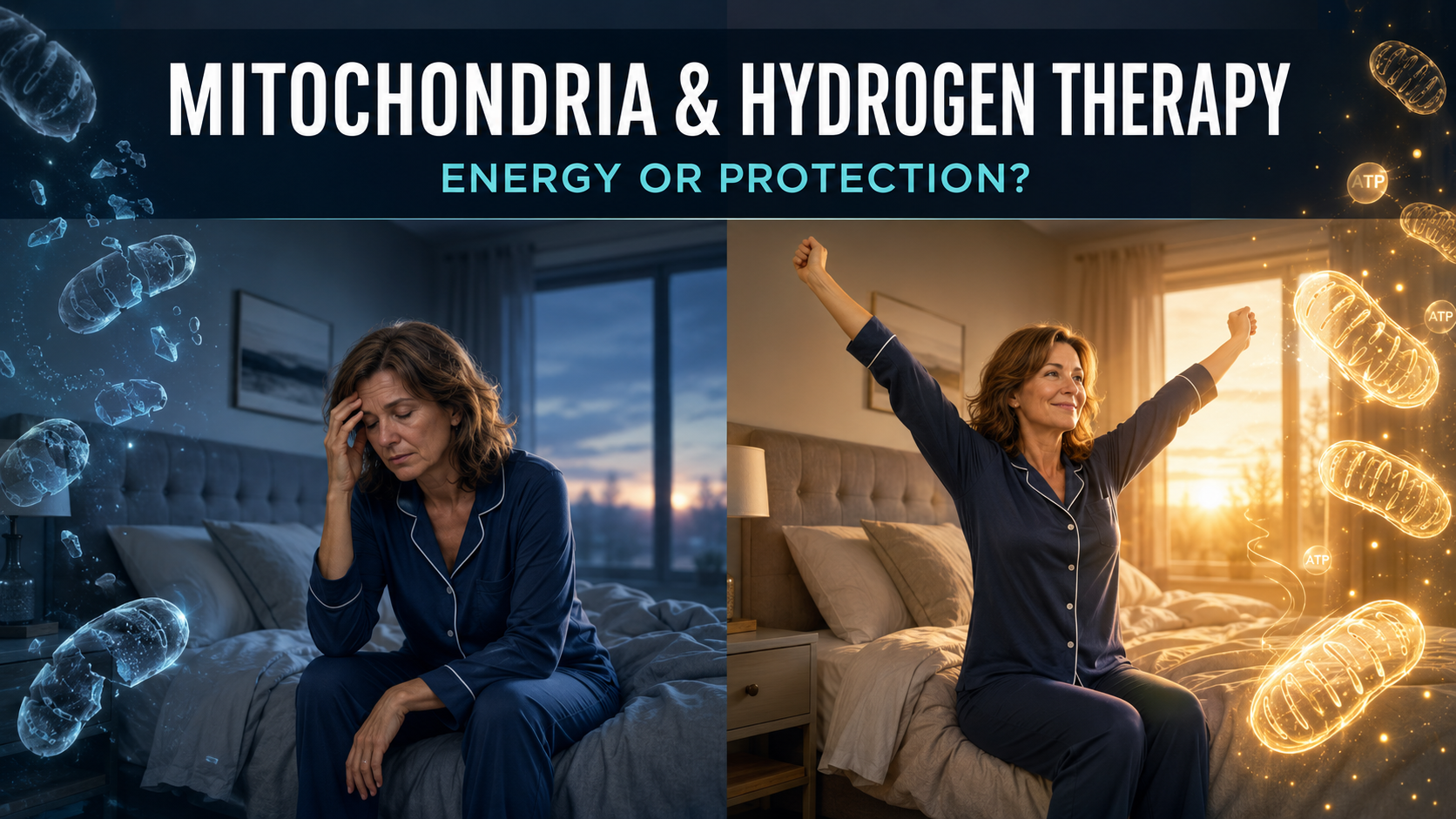
- Supporting cellular energy. Some studies suggest hydrogen may improve mitochondrial function, which plays a key role in energy production.
- Reducing inflammation. Travel stress, dehydration and sleep disruption can trigger inflammatory responses in the body. Hydrogen may help modulate these pathways.
- Supporting mental clarity. Early research indicates hydrogen may support neurological health and cognitive performance, which could help combat the mental fog associated with jet lag.
When Could Hydrogen Be Used During Travel?
Many travelers who use molecular hydrogen incorporate it into their routine in several moments:
- Before a flight – to support hydration and antioxidant defenses
- During long flights – to reduce fatigue and dehydration stress
- After arrival – to support recovery and circadian adjustment
Athletes, frequent flyers, executives and wellness enthusiasts are increasingly exploring hydrogen as part of a travel recovery strategy.
A New Frontier in Travel Wellness
Jet lag and travel fatigue are complex physiological responses involving sleep disruption, dehydration, oxidative stress and metabolic changes.
While proper hydration, sleep management and light exposure remain essential, emerging research suggests molecular hydrogen may offer an additional layer of support for recovery.
As interest in longevity, performance and biohacking continues to grow, hydrogen therapy is becoming an intriguing tool for people seeking to recover faster, travel better and maintain peak performance anywhere in the world.
How Do I Add Hydrogen Therapy into My Life?
Do you know that we are based in the UK, if you live in the UK, we can literally deliver free next day delivery for you, of any of our Hydrogen Therapy Systems.
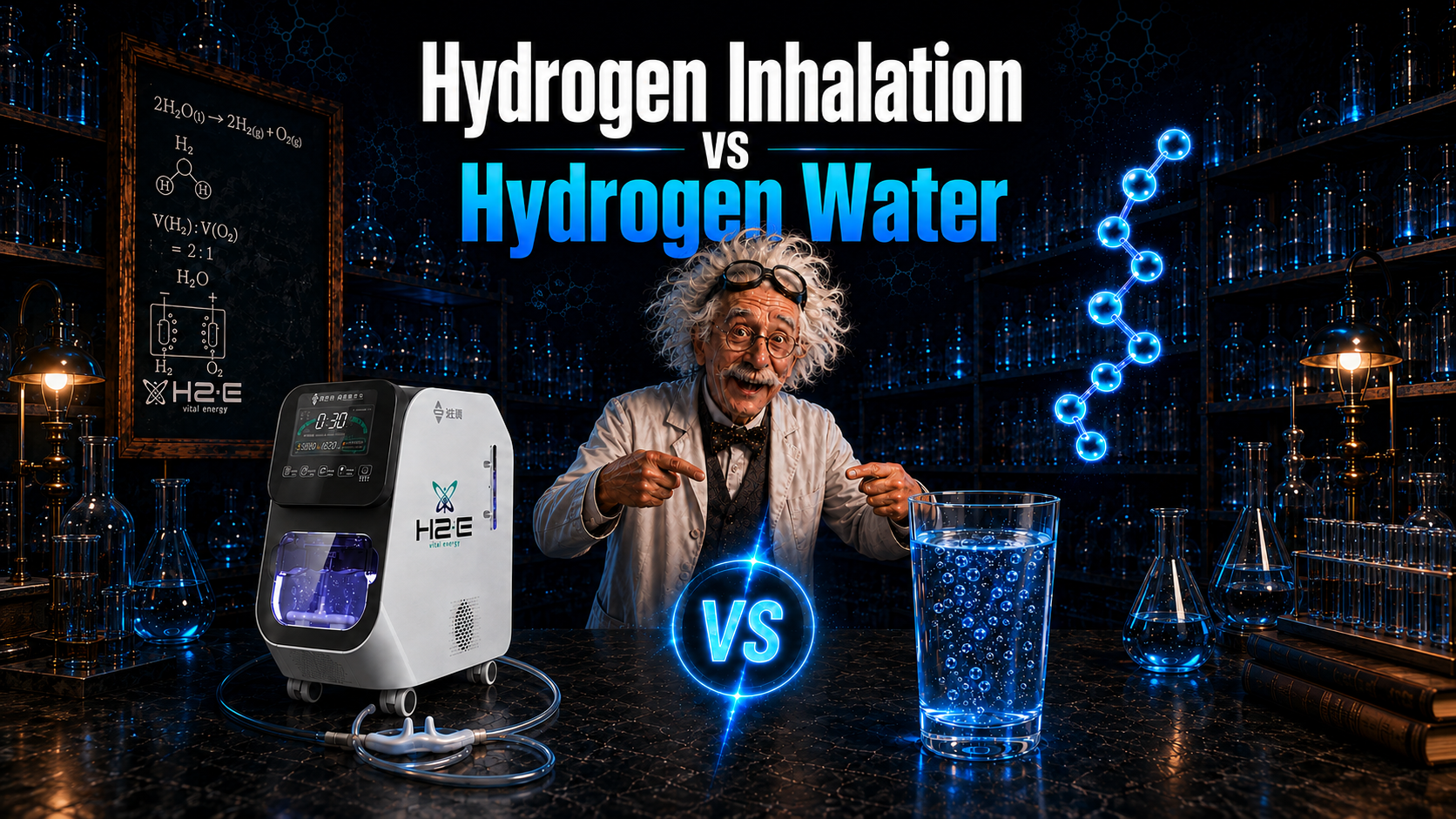
Then you have access to Hydrogen Therapy in your own home, at any time, at your convenience, to help with Jet Lag or many other health benefits.