Hydrogen is best known as the first and smallest element in the periodic table. It powers the sun, forms part of every molecule of water and is the most abundant element in the universe. Yet in recent years, a particular form of hydrogen has also become the subject of growing interest in health, wellness and scientific research.
This form is called molecular hydrogen, written as H₂.
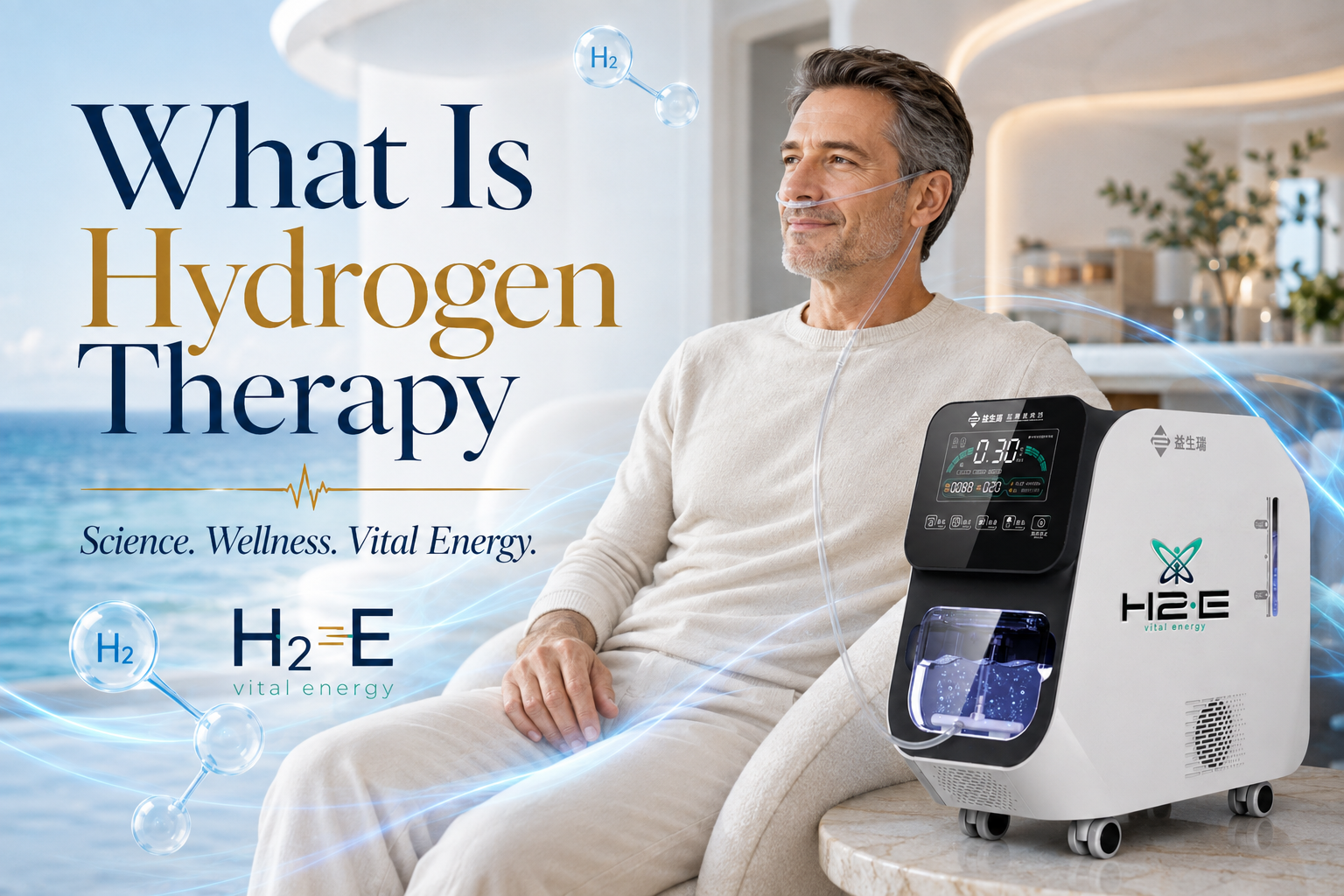
Hydrogen therapy is the controlled use of molecular hydrogen, commonly by breathing hydrogen-containing gas or drinking water in which hydrogen has been dissolved. Researchers are studying whether this tiny molecule may help support the body’s response to oxidative stress, inflammation, fatigue and cellular imbalance.
That description may sound simple, but hydrogen therapy is often misunderstood. It is not the same as oxygen therapy. It is not hydrogen peroxide. It is not a vitamin, drug or conventional antioxidant supplement. It should also not be presented as a miracle cure.
Instead, molecular hydrogen is an emerging area of scientific investigation. Laboratory studies, animal research and a growing number of human trials have produced encouraging findings, but the evidence varies considerably by health outcome. Some areas show promise, while others remain preliminary. Larger, well-designed clinical trials are still needed before firm medical conclusions can be made.
This guide explains what hydrogen therapy is, how it is delivered, what scientists believe it may do inside the body, what the research currently shows, and what anyone considering hydrogen therapy should know.
What Exactly Is Hydrogen Therapy?
Hydrogen therapy—also known as molecular hydrogen therapy or H₂ therapy—means introducing molecular hydrogen into the body in a controlled way.
The two most familiar methods are:
- Hydrogen inhalation, in which a person breathes a measured gas containing molecular hydrogen through a nasal cannula or suitable mask.
- Hydrogen-rich water, in which molecular hydrogen gas is dissolved in drinking water and consumed before the gas disperses.
Researchers have also investigated other delivery methods, including hydrogen-rich saline, hydrogen baths and topical preparations. However, inhalation and hydrogen-rich water are the methods most people are likely to encounter in wellness, recovery and home-use settings.
The active subject of interest is the H₂ molecule itself. Molecular hydrogen consists of two hydrogen atoms bonded together. It is colourless, odourless and tasteless. Because it is exceptionally small and non-polar, it can diffuse rapidly through biological membranes and reach tissues and cellular compartments that larger molecules may not enter as easily.
When someone drinks hydrogen-rich water, they are not drinking a new type of chemical water. The water remains H₂O, but it temporarily contains dissolved H₂ gas. In the same way that sparkling water contains dissolved carbon dioxide, hydrogen-rich water contains dissolved molecular hydrogen—although hydrogen escapes much more readily and does not create the same obvious bubbles or taste.
During hydrogen inhalation, H₂ enters through the lungs, moves into the bloodstream and is distributed around the body. Any unused hydrogen is largely exhaled. This rapid movement and elimination are part of the reason researchers have been interested in molecular hydrogen as a potential biological signalling molecule.
Molecular Hydrogen Is Not Hydrogen Peroxide
It is important to separate molecular hydrogen from substances with similar names.
Molecular hydrogen (H₂) is the small gas studied in hydrogen therapy.
Hydrogen peroxide (H₂O₂) is a reactive chemical used in products such as disinfectants, bleaching agents and some cleaning solutions. Although the names sound similar, their chemistry and effects are very different. Hydrogen peroxide should never be inhaled or consumed as a substitute for molecular hydrogen therapy.
Hydrogen therapy is also distinct from:
- oxygen therapy used in medical care;
- alkaline water, which refers mainly to pH;
- ordinary distilled or purified water;
- hydrogen fuel used in transport and industry;
- hydrogen supplements that do not reliably produce or preserve dissolved H₂.
Clear terminology matters. In credible research and professional discussions, the relevant molecule is molecular hydrogen gas, H₂.
A Short History of Hydrogen Therapy Research
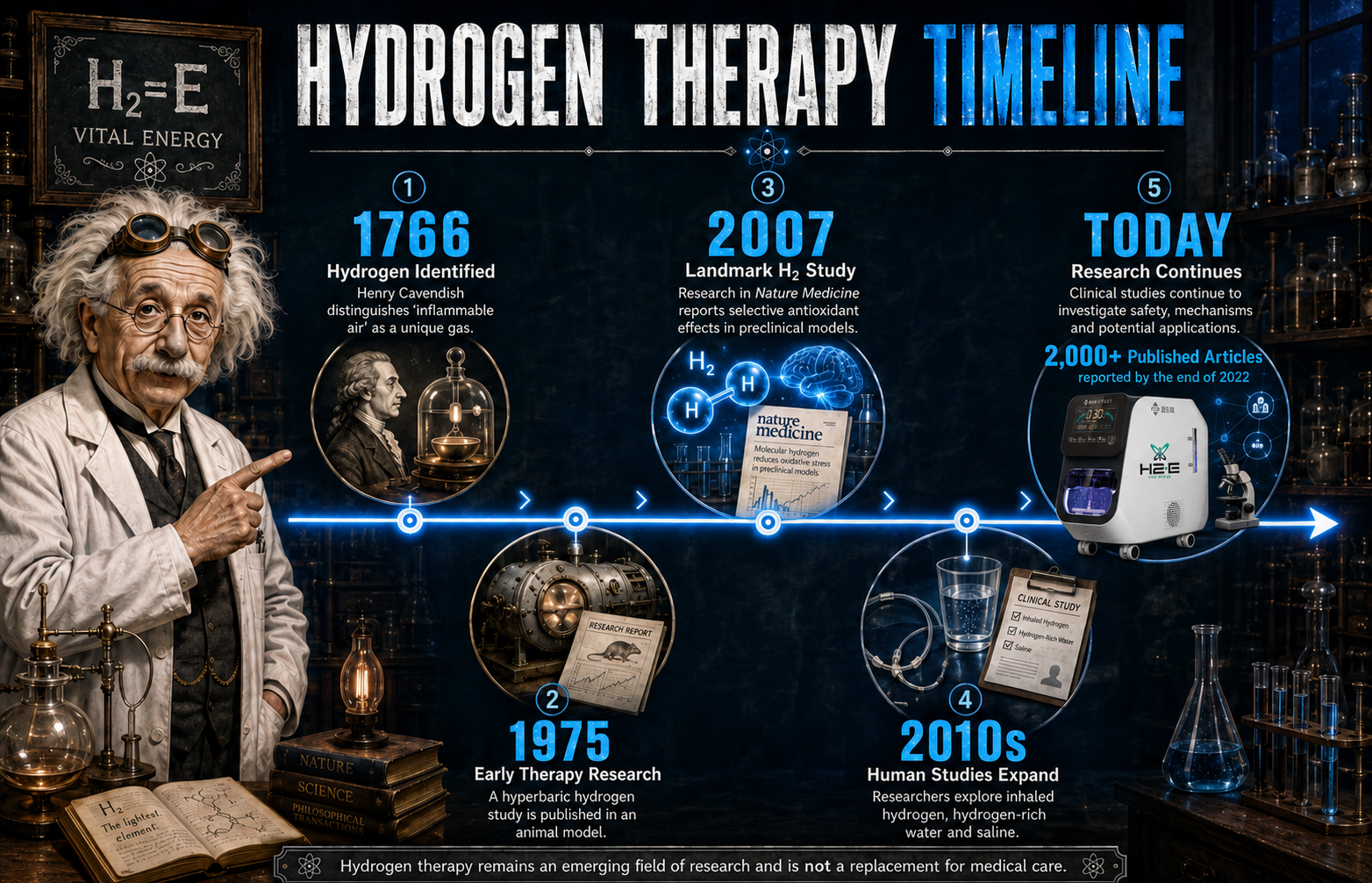
Hydrogen was long considered biologically inactive in humans. Scientists knew that some intestinal bacteria produce hydrogen during digestion and that the body normally releases it through breath and other routes. Because H₂ appeared relatively unreactive under normal conditions, it was not initially regarded as an important biological molecule.
Early research challenged this assumption. In 1975, researchers reported that exposure to hyperbaric hydrogen appeared to influence tumour growth in an animal model. The study was unusual and did not immediately create a major new field, but it demonstrated that hydrogen could have biological effects under certain conditions.
Interest accelerated after a highly influential 2007 study published in Nature Medicine. The researchers reported that molecular hydrogen could selectively reduce particularly reactive oxygen species in an experimental model of brain injury. The work proposed that H₂ might act differently from broad, conventional antioxidants and could rapidly reach cellular structures.
That study became a major turning point. Research expanded into areas including:
- oxidative stress;
- inflammatory signalling;
- exercise and physical recovery;
- metabolism;
- cardiovascular health;
- neurological health;
- organ injury;
- ageing-related biological processes;
- quality of life during conventional medical treatment.
A 2023 review identified 81 clinical trials represented across 64 human-study publications. This is meaningful growth for a relatively young field, but quantity alone does not establish effectiveness. Trials have used different doses, delivery methods, durations, populations and outcome measures. Many have included relatively small numbers of participants.
The result is a research landscape that is interesting but still developing: there is enough evidence to justify continued scientific attention, but not enough to make sweeping claims that hydrogen therapy can treat every condition investigated.
Why Are Scientists Interested in Such a Small Molecule?
Size is one of hydrogen’s most distinctive characteristics.
Molecular hydrogen is smaller than familiar biological molecules such as vitamins, proteins and many pharmaceutical compounds. This may allow it to diffuse through cell membranes, circulate rapidly and reach places such as mitochondria—the structures inside cells responsible for much of the body’s energy production.
Scientists are interested not only in whether H₂ directly reacts with particular molecules, but also in whether it affects the way cells communicate and regulate themselves. Modern hydrogen research therefore extends beyond the early description of H₂ as a “selective antioxidant.”
Possible mechanisms under investigation include:
- modulation of oxidative stress;
- regulation of inflammatory pathways;
- influence on cellular signalling;
- effects on gene expression;
- support for mitochondrial function;
- influence on programmed cell death;
- modulation of stress-response systems.
These are proposed and researched mechanisms—not proof that every person will experience a health benefit. Biological plausibility helps scientists decide what to study, but clinical outcomes must still be demonstrated in well-controlled human trials.
Understanding Oxidative Stress
To understand why hydrogen therapy attracts attention, it helps to understand oxidative stress.
The body continuously produces reactive oxygen species as part of normal life. They arise during energy production, immune defence, exercise and many other biological processes. Reactive molecules are not automatically harmful. At appropriate levels, they help cells communicate, adapt to exercise and respond to threats.
Problems can occur when the production of reactive species becomes excessive or the body’s regulatory and antioxidant systems cannot maintain balance. This state is commonly called oxidative stress.
Oxidative stress can damage lipids, proteins and DNA. It is associated with ageing and has been investigated in relation to many chronic diseases. However, it would be misleading to describe all oxidation as bad or to assume that removing as many reactive molecules as possible must always improve health.
The body requires balance. Some reactive oxygen species perform useful signalling roles. This partly explains why very high doses of broad antioxidant supplements do not always produce the results people expect and, in some circumstances, may interfere with normal adaptation.
The original influential hypothesis about molecular hydrogen was that it might interact more selectively with highly damaging reactive species while being less likely to suppress useful biological signalling. Researchers have particularly discussed the hydroxyl radical, one of the most reactive oxygen species.
Later research suggests that the story may be more complex. Because H₂ is relatively unreactive and disappears from the body quickly, some scientists believe many of its observed effects may come from triggering or adjusting the body’s own signalling and defence systems rather than simply “mopping up” free radicals one by one.
The safest conclusion is that molecular hydrogen is being studied as a potential redox-modulating and signalling molecule, not merely as another conventional antioxidant.
Hydrogen Therapy and Inflammation
Inflammation is another major focus of molecular hydrogen research.
Like oxidation, inflammation is not inherently harmful. It is an essential part of immune defence and tissue repair. When someone experiences an injury or infection, inflammatory signals help coordinate the response.
The concern is prolonged or poorly regulated inflammation. Chronic low-grade inflammation has been associated with metabolic disorders, cardiovascular disease, some neurological conditions and the ageing process.
Preclinical studies suggest H₂ may influence inflammatory signalling pathways and the production of certain inflammatory mediators. Some human trials have also reported changes in biomarkers associated with inflammation. Nevertheless, results differ between studies, and a change in a laboratory marker does not automatically translate into a meaningful improvement in symptoms, function or long-term health.
For that reason, a responsible description is that molecular hydrogen may support the body’s management of oxidative and inflammatory stress. It should not be claimed to cure inflammatory diseases or replace prescribed anti-inflammatory treatment.
How Does Hydrogen Inhalation Work?
Hydrogen inhalation uses a machine designed to generate a controlled flow of molecular hydrogen gas. Depending on the equipment, the output may be hydrogen alone or a hydrogen-and-oxygen gas mixture produced through the electrolysis of water.
The gas travels through appropriate tubing and is usually breathed through a nasal cannula. A water trap or similar safety component may be included in the gas pathway, depending on the machine’s design.
When inhaled, molecular hydrogen passes through the lungs and enters the bloodstream. Research indicates that hydrogen levels can rise quickly during inhalation and decline after the session ends because the gas is rapidly cleared, mainly through breathing.
The appeal of inhalation is that it can provide a continuous supply of H₂ throughout a session. In research and practice, session duration, gas concentration and flow rate vary widely. A higher machine output does not by itself prove a better health outcome: delivery method, gas composition, concentration, session time, user needs, equipment quality and safe operation all matter.
People often choose inhalation because it allows them to sit comfortably while using the therapy. Some use the time to read, meditate, work quietly or relax.
Hydrogen inhalation equipment should always be operated exactly as directed by the manufacturer. Only the specified water should be added to a machine. For many electrolysis-based devices, this means high-quality distilled water with very low total dissolved solids. Tap water, mineral water and unsuitable purified water can contain minerals or contaminants that may damage internal components, reduce performance or create safety issues.
Hydrogen is flammable at certain concentrations in air. Properly engineered equipment includes design and safety features to manage gas production and delivery, but users must still keep the machine away from flames, smoking, sparks and unsuitable enclosed environments. Ventilation and manufacturer guidance are essential.
What Is Hydrogen-Rich Water?
Hydrogen-rich water is ordinary drinking water containing dissolved molecular hydrogen gas.
Hydrogen can be introduced by electrolysis, by infusing the gas into water under suitable conditions or through certain hydrogen-producing tablets. The important factor is the amount of dissolved H₂ available when the water is consumed—not simply the pH, packaging language or number of visible bubbles.
Molecular hydrogen is difficult to retain because it escapes readily into the air. Concentration can fall after a container is opened, after water is poured into a glass or when it is stored in unsuitable packaging. Hydrogen-rich water is therefore normally consumed relatively soon after preparation.
It is also important not to confuse hydrogen-rich water with alkaline water. A water product can be alkaline without containing a meaningful concentration of dissolved molecular hydrogen. Conversely, water can contain dissolved hydrogen without having an unusually high pH.
Hydrogen-rich water is convenient and non-invasive. It has been used in many human studies, particularly those investigating exercise, fatigue, metabolic markers and quality of life. Its limitation is that the total quantity and exposure time of H₂ may differ from inhalation, and actual concentration depends on the method of production, storage and timing.
Neither route can automatically be declared “best” for everyone. They are different delivery methods and should be compared according to the intended use, supporting evidence, practical preferences, product quality and professional advice where appropriate.
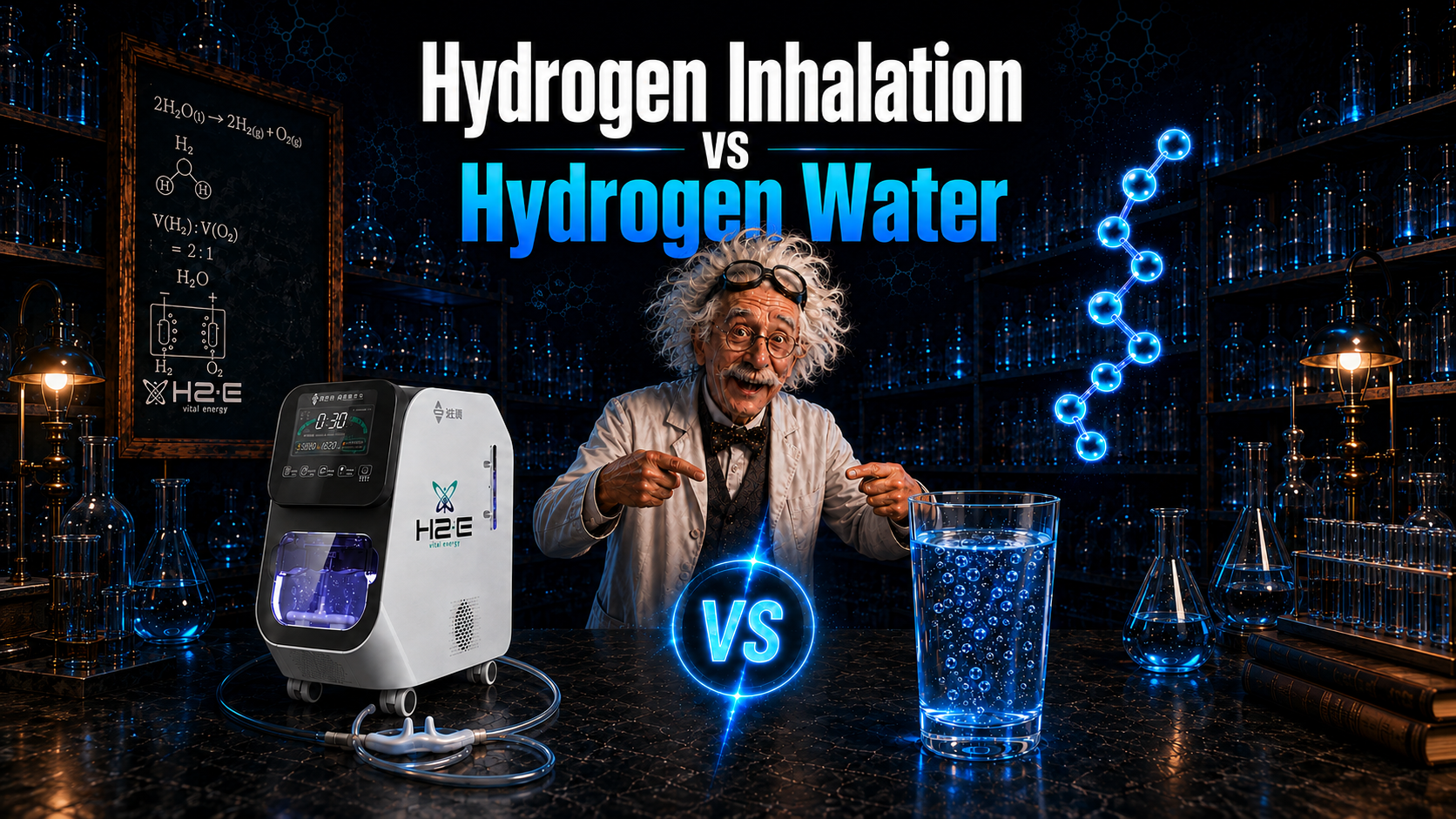
Hydrogen Inhalation vs Hydrogen-Rich Water
| Feature | Hydrogen inhalation | Hydrogen-rich water |
|---|---|---|
| How H₂ is delivered | Breathed through a cannula or suitable mask | Dissolved in water and consumed |
| Exposure | Continuous during the session | Shorter intake period; gas gradually disperses |
| Equipment | Requires a suitable hydrogen machine | Requires a hydrogen-water generator, infusion system or reliable tablets |
| Convenience | Usually a planned seated session | Easy to incorporate into hydration |
| Research use | Studied across a range of clinical and recovery settings | Common in exercise, fatigue and metabolic studies |
| Key quality issue | Gas output, composition, safe design and correct operation | Verified dissolved-H₂ concentration and retention |
Both approaches deliver the same molecule, but they are not necessarily interchangeable. A study using hydrogen-rich water does not automatically prove the same outcome for inhalation, and the reverse is also true. Dose and exposure in hydrogen research are more complicated than simply naming the delivery method.
What Are the Potential Benefits of Hydrogen Therapy?
People often ask for a simple list of hydrogen therapy benefits. The honest answer is that potential benefits depend on the person, delivery method, dose, frequency and outcome being measured. Research is encouraging in some areas but remains mixed or early in others.
The following sections describe major fields of investigation without presenting hydrogen therapy as a proven treatment.
1. Exercise, Fatigue and Recovery
Exercise is one of the more accessible areas of human hydrogen research.
Strenuous activity temporarily increases oxidative and inflammatory stress. This is a normal part of training and adaptation, but excessive load or insufficient recovery may contribute to soreness, fatigue and reduced performance.
Human trials have explored whether hydrogen-rich water or inhaled hydrogen can influence:
- perceived fatigue;
- muscle soreness;
- blood lactate;
- repeated-sprint performance;
- strength recovery;
- biomarkers of muscle stress;
- aerobic capacity.
Some small randomised trials have reported improved aspects of recovery or late-stage exercise performance. A 2023 systematic review and meta-analysis concluded that H₂ supplementation provided moderate evidence of reduced fatigue in healthy adults but did not improve aerobic capacity overall.
That distinction is important. “May help with fatigue” is not the same as “makes everyone fitter” or “improves all athletic performance.”
Research has also produced neutral findings. For example, an eight-day hydrogen-rich water study published in 2024 concluded that the intervention alone might not be sufficient to accelerate recovery from soreness or fatigue after high-intensity training.
Taken together, the evidence suggests a possible role in selected aspects of exercise recovery, but individual studies are often small and protocols differ. Hydrogen therapy should complement—not replace—sleep, hydration, nutrition, sensible programming and medical or physiotherapy support when needed.
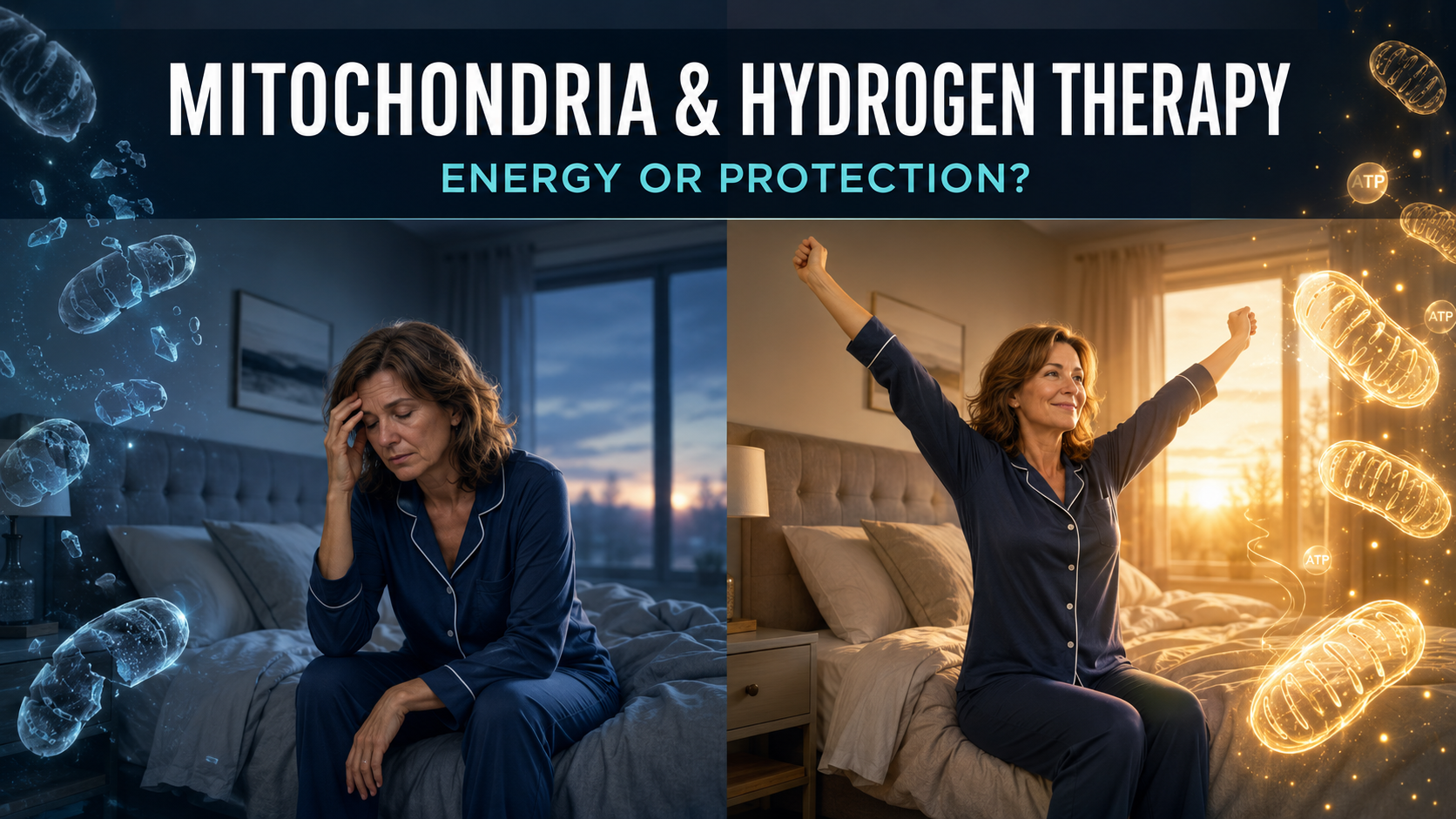
2. Energy and Mitochondrial Function
Many users describe an interest in hydrogen therapy because they want to support everyday energy or vitality. Scientifically, this interest often centres on mitochondria.
Mitochondria convert nutrients into usable cellular energy. They also participate in redox signalling, inflammation and cell survival. When mitochondrial function is disrupted, fatigue and reduced resilience may follow, although tiredness has many possible medical and lifestyle causes.
Laboratory research suggests molecular hydrogen may interact with pathways involved in mitochondrial stress and cellular energy regulation. Some human studies report improvements in fatigue-related outcomes or quality-of-life measures. However, hydrogen therapy has not been proven to correct every cause of low energy.
Persistent or unexplained fatigue can relate to anaemia, thyroid dysfunction, sleep disorders, infection, medication effects, nutritional deficiency, depression, cardiovascular problems and many other conditions. It deserves proper medical evaluation rather than being covered up with any wellness therapy.
Hydrogen can therefore be viewed as a possible support within a broader health plan, not a substitute for diagnosing why someone feels exhausted.
3. Metabolic Health
Researchers have investigated hydrogen-rich water in relation to markers such as:
- blood glucose;
- insulin sensitivity;
- cholesterol and triglycerides;
- body composition;
- oxidative stress;
- liver-related biomarkers.
Some trials have reported favourable changes in selected metabolic measures, while others have found limited or inconsistent effects. Differences in study duration, participant health, H₂ concentration and background lifestyle make it difficult to generalise.
Metabolic health is shaped by diet, physical activity, sleep, genetics, medication, body composition and social factors. Hydrogen therapy cannot replace evidence-based management of diabetes, high cholesterol, fatty liver disease or obesity.
The field remains scientifically interesting because oxidative stress and inflammatory signalling are involved in metabolic regulation. Yet until larger trials establish clinically meaningful effects, molecular hydrogen should be regarded as an adjunctive wellness approach rather than a primary treatment.
4. Brain and Cognitive Health
The brain consumes substantial energy and is vulnerable to oxidative stress. This has made neurological research an important part of the hydrogen field.
Animal and laboratory studies have investigated H₂ in models involving ischaemia-reperfusion injury, neuroinflammation and neurodegenerative processes. Small human studies have also explored areas such as mood, cognition, fatigue and quality of life.
These findings are not sufficient to say hydrogen therapy prevents dementia, reverses neurological disease or treats stroke. Neurological conditions require prompt assessment and conventional medical care. In particular, signs of stroke—such as facial drooping, arm weakness or speech difficulty—are an emergency.
The most accurate summary is that molecular hydrogen has shown neuroprotective potential in preclinical research and limited early clinical studies, but definitive human evidence for major neurological outcomes is not yet established.
5. Cardiovascular Wellbeing
Cardiovascular researchers are interested in hydrogen because oxidative stress, inflammation and damage caused when blood flow returns after a period of restriction all affect the heart and blood vessels.
Studies have explored hydrogen in relation to blood pressure, vascular function, lipid markers and recovery after ischaemic events. Some early results are encouraging, but trial quality, size and consistency remain limitations.
Hydrogen therapy must not replace prescribed blood-pressure medication, statins or other cardiovascular treatment without a clinician’s direction. Chest pain, severe breathlessness, fainting and possible heart-attack symptoms require urgent medical help.
Within a wellness context, molecular hydrogen may be explored as a complementary strategy, but heart health still depends on established measures such as medical assessment, movement, nutrition, smoking cessation, sleep and appropriate medication.
6. Healthy Ageing and Longevity
Ageing is influenced by interconnected processes including DNA damage, mitochondrial changes, altered nutrient sensing, chronic inflammation and reduced cellular repair. Since molecular hydrogen is being researched in several of these areas, it has become popular in longevity and biohacking communities.
This does not mean hydrogen therapy has been proven to extend human lifespan.
Most evidence relevant to longevity concerns biological mechanisms, animal models or indirect markers—not decades-long proof of living longer. A scientifically responsible longevity conversation should separate:
- lifespan, meaning how long a person lives;
- healthspan, meaning the years lived in relatively good health;
- biomarkers, which may or may not predict long-term outcomes.
Hydrogen therapy may eventually prove useful as one component of healthy-ageing strategies. At present, it is more accurate to say that researchers are investigating whether it can support biological resilience and aspects of healthspan.
The foundations of healthy ageing remain physical activity, adequate protein and nutritious food, restorative sleep, social connection, avoiding smoking, moderating alcohol, managing stress, vaccinations and evidence-based healthcare.
7. Support During Conventional Medical Care
Molecular hydrogen has been studied as a possible adjunct—an additional supportive approach—during conventional care for some serious illnesses. Researchers have examined quality of life, treatment-related fatigue, oxidative stress and selected side effects.
This is an area where language must be especially careful.
A therapy can support comfort, recovery or quality of life without treating the underlying disease. Early findings cannot be used to promise a cure, recommend abandoning standard treatment or imply that one intervention addresses every root cause.
Cancer and many other diseases often involve multiple causes and biological pathways. Supporting the body may require several evidence-based approaches. Molecular hydrogen may ultimately become a helpful part of this process for some people, but it is not a magic cure on its own.
Anyone receiving treatment for cancer or another major condition should discuss hydrogen therapy with the relevant medical team. The aim should be safe coordination, not competition between conventional medicine and supportive wellness care.
What Does the Scientific Evidence Really Show?
Hydrogen therapy has moved beyond a purely theoretical idea. Human clinical studies exist, and researchers have observed biological and functional effects worthy of further investigation.
At the same time, the evidence does not justify the exaggerated claims sometimes found online.
Several recurring limitations affect the research:
Small sample sizes
Many hydrogen trials include a few dozen participants, and some include fewer. Small studies can identify promising signals but are more vulnerable to chance findings and may not represent the wider population.
Different delivery methods
Studies use hydrogen-rich water, inhaled gas, hydrogen-rich saline and other formats. These methods create different exposures and cannot always be directly compared.
Inconsistent dosing
There is no single universally accepted dose for every purpose. Water concentration, volume, inhaled concentration, flow rate, session length and treatment frequency differ.
Short follow-up
Some trials last days or weeks. Short-term changes in fatigue or biomarkers do not prove long-term disease prevention or extended lifespan.
Varied outcome measures
One study may measure a blood marker, another symptom score and another physical performance. A statistically significant laboratory change is not always clinically meaningful.
Publication and replication
Positive studies may be more likely to attract attention than neutral findings. Independent replication by different research groups is essential.
Geographic concentration
A substantial proportion of hydrogen research has come from a relatively limited number of countries and institutions. Broader international, multicentre trials would improve confidence and generalisability.
These limitations do not mean the field lacks value. They mean the correct conclusion is promising, with more research needed.
A good evidence-based position sits between two extremes. It neither dismisses every early result nor treats preliminary science as settled medical fact.
Is Hydrogen Therapy Safe?
Molecular hydrogen has generally been well tolerated in published human studies. The body is also naturally exposed to some hydrogen produced by gut bacteria, and unused inhaled H₂ can be rapidly exhaled.
However, “generally well tolerated in studies” does not mean every device, dose, setting or personal situation is automatically safe.
Important considerations include:
- equipment should come from a reputable supplier;
- the machine must be used according to its operating instructions;
- only the specified grade of water should enter the device;
- cannulas, tubing and water traps must be connected correctly;
- the equipment should be kept away from flames, cigarettes, sparks and heat sources;
- the room should have appropriate ventilation;
- the user should not alter gas outlets or internal safety systems;
- children should not operate the machine unsupervised;
- medical guidance is appropriate for pregnancy, serious illness, respiratory conditions or concurrent treatment.
Hydrogen is flammable when mixed with air within certain concentration ranges. This is an equipment and environmental safety issue rather than evidence that H₂ is toxic to the body. Responsible manufacturers address gas separation, flow, pressure, ventilation and other design considerations, but users must follow the instructions.
If someone feels unwell during a session—particularly if they develop breathing difficulty, chest pain, faintness or a severe headache—they should stop and seek appropriate medical advice. Symptoms should never be assumed to be a desirable “detox reaction.”
What Does a Hydrogen Therapy Session Feel Like?
Hydrogen gas has no smell, colour or flavour, so a session is usually subtle. The person typically sits in a comfortable position with a nasal cannula in place while the machine operates.
Experiences vary. Some people report feeling relaxed during or after a session. Others notice no immediate sensation. Lack of a dramatic feeling does not prove that nothing entered the body, just as a noticeable sensation does not prove a medical benefit.
The goal should not be to chase an intense reaction. A professional introductory session should explain:
- what the machine produces;
- how the gas is delivered;
- how long the session will last;
- how hygiene is managed;
- the device’s essential safety features;
- what current research can and cannot claim;
- whether the therapy is appropriate alongside the person’s care.
A credible provider should welcome questions and avoid pressure, guaranteed outcomes or fear-based selling.
How Quickly Does Hydrogen Therapy Work?
There is no universal answer.
Molecular hydrogen can enter and leave the body quickly, but the time required for a noticeable experience or measurable outcome depends on what is being assessed. An exercise study may examine fatigue within hours. A metabolic trial may last several weeks. Long-term outcomes require much longer research.
Some people report noticing changes quickly, while others do not. Personal testimonials can help generate research questions, but they cannot establish effectiveness because expectations, lifestyle changes, natural symptom variation and placebo effects can all influence experience.
It is more useful to set a clear goal and evaluate it realistically. For example:
- Is the aim general relaxation?
- Is the person monitoring perceived recovery after training?
- Are they interested in everyday energy?
- Are they using hydrogen only after agreement with a medical team?
Any evaluation should consider other changes taking place at the same time. Better sleep, altered medication, reduced training load or improved hydration can all affect results.
How Often Is Hydrogen Therapy Used?
Research protocols vary widely. Some studies use a single exposure; others use daily sessions or regular hydrogen-rich water for several weeks or months.
This means there is no scientifically established schedule that is ideal for every person and every goal.
Frequency should reflect:
- the intended wellness purpose;
- the method of delivery;
- the machine manufacturer’s guidance;
- any professional recommendation;
- comfort and practical routine;
- the evidence relevant to the specific outcome.
More is not automatically better. Increasing flow, concentration or session length beyond equipment guidance is not a sensible shortcut and may create avoidable safety risks.
How to Choose a Hydrogen Therapy Machine
The hydrogen industry is growing, and equipment quality varies. A machine should be evaluated as a technical health-and-wellness device, not chosen solely through a dramatic list of claimed diseases.
Useful questions include:
What gas does it produce?
Understand whether the machine produces hydrogen, a hydrogen-and-oxygen mixture or separate gas streams. Ask how the output is measured.
What is the stated output?
Output may be listed in millilitres per minute. Confirm whether the figure refers to total mixed gas or hydrogen alone. Numbers that appear similar can describe different things.
What water does it require?
Many electrolysis machines require very pure distilled water. Ask how water quality should be checked and what happens if the reading is too high.
What safety systems are included?
Look for clear operating instructions, pressure management, suitable tubing, water traps where required, automatic monitoring and accessible after-sales support.
Is there a meaningful warranty?
A warranty matters because a hydrogen machine is a significant purchase. Check its duration, what it covers and who provides UK support.
Is training available?
Good suppliers explain setup, maintenance, cleaning, safe use and troubleshooting. A machine should not arrive with the customer left to interpret unclear diagrams alone.
Are the health claims responsible?
Avoid sellers who guarantee cures, advise stopping medication or claim one machine can treat an implausibly long list of diseases. Trustworthy education should distinguish research interest from proven clinical use.
Is there support after the purchase?
Responsive customer service is particularly important for water quality, replacement components, cannula connections and maintenance.
At H2=E, our focus is not only on supplying premium hydrogen therapy technology. We believe customers should receive clear education, practical setup guidance and ongoing UK-based support.
Who Should Speak to a Healthcare Professional First?
Hydrogen therapy is often used as a wellness intervention, but medical guidance is especially important for:
- people undergoing cancer treatment;
- people with significant heart, lung, kidney, liver or neurological disease;
- anyone who is pregnant or breastfeeding;
- people using oxygen or respiratory equipment;
- people who recently had surgery or an acute medical event;
- anyone planning to change prescribed medication;
- children or vulnerable adults;
- anyone with unexplained or worsening symptoms.
Speaking with a professional does not mean hydrogen is necessarily incompatible with care. It means serious health decisions should be coordinated and based on the full medical picture.
Hydrogen therapy must not delay urgent assessment. Severe symptoms such as chest pain, new weakness, speech difficulty, severe breathlessness, loss of consciousness or signs of a serious allergic reaction require emergency help.
Common Myths About Hydrogen Therapy
Myth 1: Hydrogen therapy and oxygen therapy are the same
They are different gases with different roles. Medical oxygen therapy increases oxygen availability and is prescribed for particular clinical needs. Molecular hydrogen research centres on signalling, oxidative stress and inflammatory regulation.
Myth 2: Hydrogen-rich water is just alkaline water
Alkalinity describes pH. Hydrogen-rich water is defined by dissolved H₂. The two features can occur together, but one does not prove the other.
Myth 3: If hydrogen is an antioxidant, all free radicals are bad
Reactive species also perform essential signalling and immune functions. The goal is biological balance, not total elimination.
Myth 4: A higher machine output always gives better results
Output is only one variable. Gas composition, concentration, session duration, delivery setup, device engineering and the evidence for a particular protocol also matter.
Myth 5: If a study found a benefit, hydrogen cures that condition
A positive study may justify more research, but it does not establish a universal cure. Study design, participant numbers, replication and clinical importance must all be considered.
Myth 6: Natural means risk-free
The body encounters hydrogen naturally, but equipment must still be designed and operated safely. Natural substances and processes can still require sensible precautions.
Myth 7: Not feeling anything means the session failed
Hydrogen has no smell or taste, and many biological processes are not felt directly. Subjective sensation is not a reliable measurement of gas delivery or health benefit.
The Future of Molecular Hydrogen Research
Hydrogen science is likely to become more precise.
Future research needs to identify:
- which people are most likely to respond;
- which health or performance outcomes are most credible;
- the most appropriate delivery route for each purpose;
- effective concentrations, session lengths and frequencies;
- whether short-term biomarker changes lead to meaningful long-term outcomes;
- how hydrogen interacts with medication, nutrition and exercise;
- which findings can be replicated across larger and more diverse populations.
Researchers also need consistent ways to report dose. In hydrogen-rich water studies, concentration at the time of drinking matters. In inhalation studies, the percentage of hydrogen, total flow, breathing arrangement and session duration all affect exposure.
As evidence improves, hydrogen therapy may find clearer roles in recovery, wellness and selected supportive clinical settings. It is also possible that some popular claims will not survive rigorous testing. Both outcomes are part of good science.
For consumers, the healthiest approach is informed curiosity: open to potential benefits, but unwilling to replace evidence with hype.
Frequently Asked Questions
Is hydrogen therapy scientifically proven?
It has a genuine scientific evidence base that includes laboratory research, animal studies and human clinical trials. However, the strength of evidence varies by outcome. Hydrogen therapy is not proven as a cure for the many diseases sometimes listed in marketing materials.
Is molecular hydrogen a drug?
Molecular hydrogen is a gas, not a conventional pharmaceutical drug. Its regulatory status and permitted claims can depend on the product, purpose and country.
Can the body make hydrogen?
Yes. Intestinal microorganisms can produce hydrogen when they ferment certain carbohydrates. Researchers are still studying how naturally produced hydrogen relates to externally administered H₂.
Does hydrogen therapy increase oxygen levels?
Hydrogen itself is not oxygen and should not be described as a replacement for oxygen therapy. Some machines produce a hydrogen-and-oxygen gas mixture, but this does not make them equivalent to prescribed medical oxygen.
Can I use tap water in a hydrogen inhalation machine?
Not unless the manufacturer specifically says so. Many machines require high-quality distilled water because dissolved minerals can affect the electrolysis system. Follow the instructions for the exact model.
Can hydrogen therapy replace medication?
No. Do not stop or change prescribed medication because of hydrogen therapy without speaking to the prescribing clinician.
Is hydrogen therapy suitable for everyone?
Not automatically. Most healthy adults may find it well tolerated when suitable equipment is used correctly, but individual medical circumstances matter. People with serious illness, pregnancy, respiratory equipment or ongoing treatment should seek professional advice.
Is hydrogen therapy a cure?
No responsible provider should call it a universal cure. It is an emerging supportive approach being investigated across numerous areas. It is best considered as one possible component of a broader healthy-lifestyle or professionally supervised care plan.
Final Thoughts: A Promising Therapy That Deserves Both Interest and Honesty
Hydrogen therapy uses molecular hydrogen—a tiny, rapidly diffusing gas—to explore a surprisingly broad biological question: can H₂ help the body regulate oxidative stress, inflammatory signalling, cellular energy and recovery?
The answer from current research is not a simple yes or no.
There are encouraging findings from laboratory work, animal models and human studies. Research on fatigue and exercise recovery is particularly interesting, and clinical investigation has expanded into metabolic, cardiovascular, neurological and supportive-care settings.
However, the field remains young. Many human trials are small, delivery methods vary and long-term clinical evidence is limited. Hydrogen therapy should therefore be discussed as a promising wellness and research area—not a miracle solution and not a replacement for conventional medical care.
At H2=E, we believe trust grows through education. Our aim is to help people understand both the potential and the limitations of molecular hydrogen, choose high-quality technology and use it responsibly.
If you are curious about hydrogen inhalation, you can explore the science, ask questions and learn how a session works before making any decision.
Discover how molecular hydrogen may support everyday wellness.
Explore our range of home-use hydrogen therapy machines or book a consultation with Antony for clear, practical guidance.
Scientific References and Further Reading
- Ohsawa I, Ishikawa M, Takahashi K, et al. Hydrogen acts as a therapeutic antioxidant by selectively reducing cytotoxic oxygen radicals. Nature Medicine. 2007;13:688–694. PubMed
- Johnsen HM, Hiorth M, Klaveness J. Molecular hydrogen therapy—A review on clinical studies and outcomes. Molecules. 2023;28(23):7785. PubMed Central
- Zhou K, Dong S, Li F, et al. Effects of molecular hydrogen supplementation on fatigue and aerobic capacity in healthy adults: A systematic review and meta-analysis. Frontiers in Nutrition. 2023. PubMed
- Botek M, Krejčí J, McKune A, Valenta M, Sládečková B. Hydrogen-rich water consumption positively affects muscle performance, lactate response, and delayed onset of muscle soreness after resistance training. Journal of Strength and Conditioning Research. 2022;36(10):2792–2799. PubMed
- Da Ponte A, Giovanelli N, Nigris D, Lazzer S. Effects of hydrogen-rich water on prolonged intermittent exercise. Journal of Sports Medicine and Physical Fitness. 2018;58(5):612–621. PubMed
- Sládečková B, et al. Hydrogen-rich water supplementation promotes muscle recovery after eccentric exercise: a randomised controlled investigation. 2024. PubMed
- Zhou K, et al. Effects of eight days of hydrogen-rich water intake on muscular performance and recovery following high-intensity training. 2024. PubMed
- Jin J, et al. Molecular hydrogen therapy: mechanisms, delivery methods, clinical evidence, and future directions. 2025. PubMed Central
Medical Disclaimer
This article is for educational and informational purposes only and is not medical advice. H2=E does not claim that molecular hydrogen cures, treats or prevents any disease. Research into hydrogen therapy is growing, but evidence varies by condition and individual responses may differ. Hydrogen therapy should not replace professional medical assessment, prescribed medication or conventional treatment. Speak with an appropriately qualified healthcare professional before using hydrogen therapy if you have a medical condition, are pregnant, use respiratory equipment or are receiving treatment.