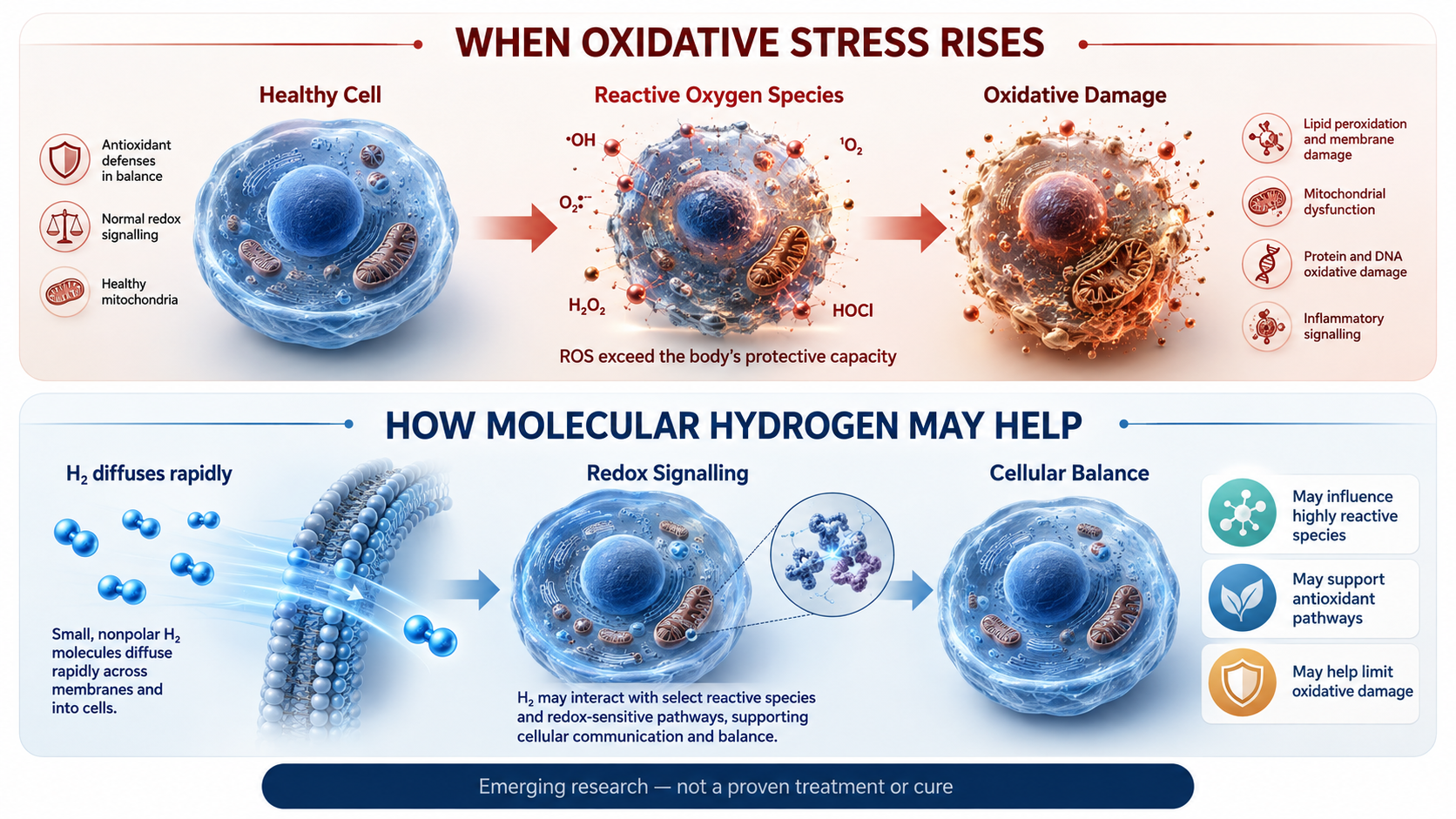





Athletic performance isn’t just about training—it’s about recovery, oxygen utilization, and cellular efficiency. Molecular hydrogen has been studied for its ability to reduce exercise-induced oxidative stress and lactic acid buildup.
Research shows improvements in muscle recovery, endurance, and reduced fatigue, particularly when hydrogen is used consistently after intense activity.
For athletes, this means faster recovery times, less soreness, and the ability to train at a higher level—more frequently.
If you click below on any of the studies, we have put them into plain English, so they are easy for you to understand, plus the link to the original study.
Hydrogen-Rich Water Bathing On Muscular Damage & Soreness With High-Intensity Exercise
Hydrogen-Rich Water Hydrotherapy For Recovery Of Acute Injury
Drinking Hydrogen Water Enhances Endurance & Relieves Psychometric Fatigue
Consumption Of Hydrogen-Rich Water On The Antioxidant Activity& Gut Flora On Athletes
- Hydrogen-Rich Water Affects Exercise Capacity In Women
 Your heart works continuously and has high energy demands, making it especially sensitive to oxidative stress and inflammation. Emerging research suggests molecular hydrogen may help support cardiovascular health by promoting healthier circulation, reducing oxidative stress, and supporting the body’s natural recovery and resilience.
If you click below on any of the studies, we have put them into plain English, so they are easy for you to understand, plus the link to the original study.
- Efficacy of inhaled hydrogen on neurological outcome following brain ischaemia during post-cardiac arrest care (HYBRID II): a multi-centre, randomised, double-blind, placebo-controlled trial
- Hydrogen therapy after resuscitation improves myocardial injury involving inhibition of autophagy in an asphyxial rat model of cardiac arrest
- Hydrogen (H2) Inhibits Isoproterenol-Induced Cardiac Hypertrophy via Antioxidative Pathways
- Hydrogen ameliorates pulmonary hypertension in rats by anti-inflammatory and antioxidant effects
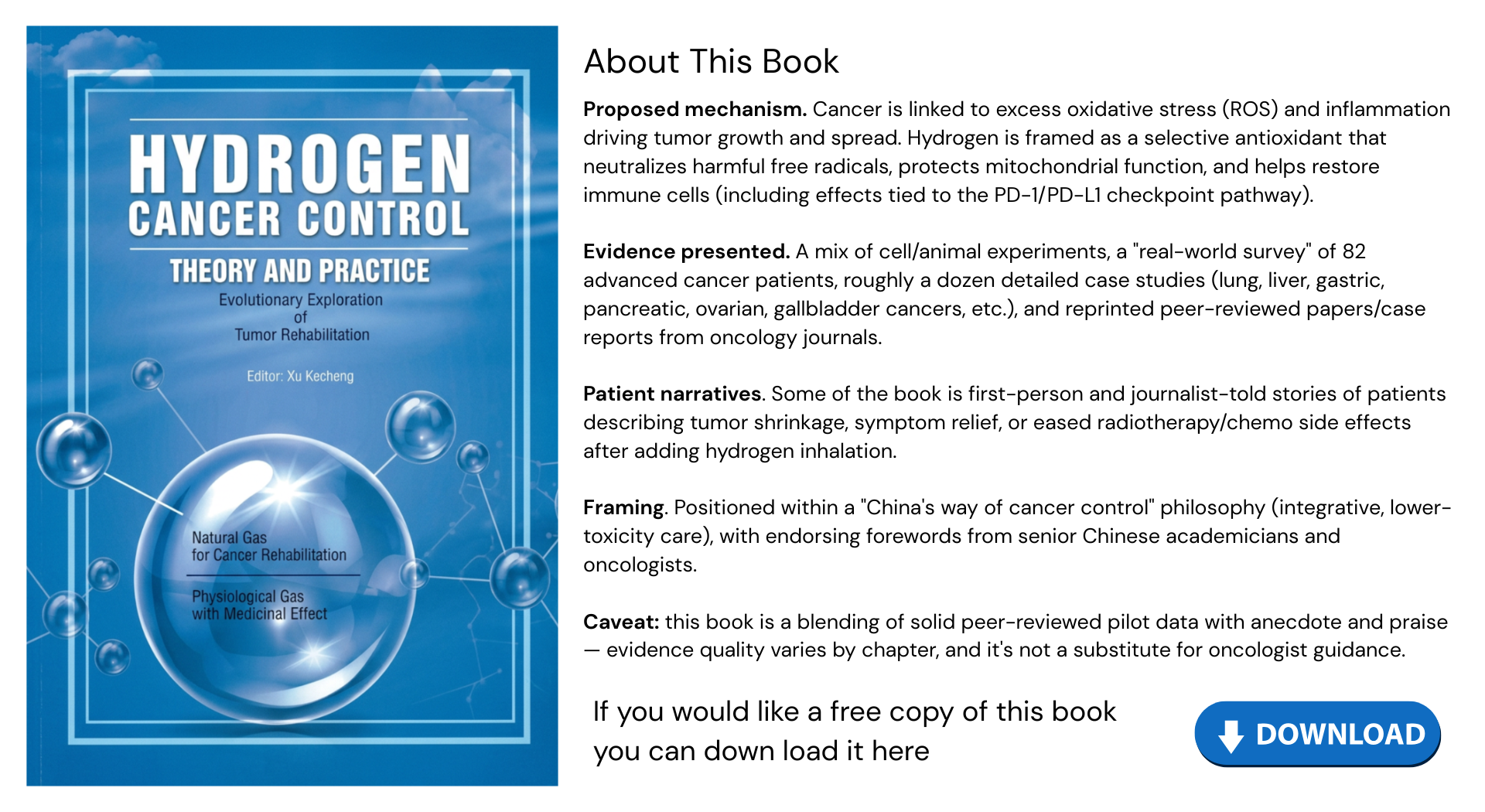
 Hydrogen therapy is being explored as a supportive wellness approach during and after cancer care due to its potential role in helping the body manage oxidative stress and inflammation. Many people use it alongside conventional medical treatment to support recovery, resilience, and overall wellbeing.
If you click below on any of the studies, we have put them into plain English, so they are easy for you to understand, plus the link to the original study.
- Hyperbaric Hydrogen Therapy A Possible Treatment For Cancer 1975 Study
- Effects Of Drinking Hydrogen-Rich Water On The Quality Of Life Of Patients Treated With Radiotherapy For Liver Tumors
- Protective Effect Of Hydrogen-Rich Water On Liver Function Of Colorectal Cancer Patients Treated With mFOLFOX6 Chemotherapy
- Hydrogen Gas Restores Exhausted CD8+ T Cells In Patients With Advanced Colorectal Cancer To Improve Prognosis
- A Gallbladder Carcinoma Patient With Pseudo-Progressive Remission After Hydrogen Inhalation
- Protective Effect Of Hydrogen Gas Inhalation On Radiation-Induced Bone Marrow Damage In Cancer Patients
- Hydrogen Gas Leading To Better Outcomes In Patients With Lung Cancer
- Hydrogen Inhalation Can Significantly Reverse Certain Issues With Lung Cancer
- Brain Metastases Completely Disappear in Non-Small Cell Lung Cancer Using Hydrogen Gas Inhalation: A Case Report

Aging is largely driven by cumulative oxidative damage at the cellular level. Molecular hydrogen works at the source—helping reduce free radical damage and support mitochondrial function.
Research highlights hydrogen’s role in promoting cellular balance, reducing oxidative stress, and potentially slowing key mechanisms associated with aging.
The result show: better sleep quality, reduced emotional stress, improved energy, better recovery, and a more resilient body over time—supporting a longer, healthier lifespan.
If you click below on any of the studies, we have put them into plain English, so they are easy for you to understand, plus the link to the original study.
- Hydrogen-Rich Water For Improvements of Mood, Anxiety & Autonomic Nerve Function In Daily Life
- The Effects of 24-Week, High-Concentration Hydrogen-Rich Water on Body
Composition, Blood Lipid Profiles and Inflammation Biomarkers in Men and
Women with Metabolic Syndrome

The brain uses a huge amount of oxygen and energy every day, making it especially vulnerable to oxidative stress and inflammation. Emerging research suggests molecular hydrogen may help support healthy brain function by reducing oxidative stress, supporting cellular energy production, and promoting a healthier environment for focus, clarity, and cognitive resilience.
If you click below on any of the studies, we have put them into plain English, so they are easy for you to understand, plus the link to the original study.
- Perioperatively Inhaled Hydrogen Gas Diminishes Neurologic Injury Following Experimental Circulatory Arrest in Swine
- Hydrogen Vs. Caffeine for Improved Alertness In Sleep-Deprived Humans
- Molecular Hydrogen Study On Mild Cognitive Impairment
- Molecular hydrogen increases resilience to stress in mice
- H2 Therapy In Parkinson’s Disease
- Short-Term H2 Inhalation Improves Cognitive Function In Older Women
- Hydrogen Gas Inhalation For Treatment Of Cerebral Infarction
- Efficacy Of Hydrogen Water Treatment Of Neonatal Hypoxic-Ischemic Encephalopathy

Hydrogen therapy is being explored for its potential to support lung health, breathing comfort, and oxygen efficiency. Research suggests hydrogen may help support oxygen uptake and recovery by helping the body manage inflammation and oxidative stress in the respiratory system.
If you click below on any of the studies, we have put them into plain English, so they are easy for you to understand, plus the link to the original study.

Studies featured in our Research section demonstrate hydrogen’s ability to reduce inflammatory markers, protect tissues, and promote faster recovery after physical or metabolic stress.
This makes hydrogen therapy an ideal daily support tool for those looking to restore balance, reduce systemic inflammation, and improve overall resilience.
If you click below on any of the studies, we have put them into plain English, so they are easy for you to understand, plus the link to the original study.
- Therapeutic Efficacy Of Infused Molecular Hydrogen In Saline On Rheumatoid Arthritis
- Hydrogen-Rich Water Reduces Inflammatory Responses
- Water Containing A High Concentration Of Molecular Hydrogen Water Reduces Oxidative Stress & Disease activity In Patients With Rheumatoid Arthritis
- Effectiveness Of Oral & Topical Hydrogen For Sports-Related Soft Tissue Injuries

Healthy skin reflects what’s happening at a cellular level. Oxidative stress accelerates aging, contributes to inflammation, and affects skin clarity and elasticity.
Molecular hydrogen helps neutralize harmful free radicals, supporting healthier skin from within. Research highlights suggests potential benefits in reducing oxidative damage and improving skin condition over time.
This makes hydrogen therapy a powerful addition to both beauty and wellness routines—promoting a natural, radiant glow.
If you click below on any of the studies, we have put them into plain English, so they are easy for you to understand, plus the link to the original study.
- Positive Effects Of Hydrogen-Water Bathing In Patients
- Hydrogen-Rich Water Represses Wrinkle Formation
- Hydrogen(H2) Treatment For Acute Erythymatous Skin Diseases
- Improvement Of Psoriasis-Associated Arthritis & Skin Lesions Molecular Hydrogen Treatment
- Hydrogen Water Treatment For Patients With Pressure Ulcers
- Hydrogen Warm Water Bath Cleanses Keratin-Plug-Clogged Hair-Pores
- Effects Of Hydrogen-Rich Water Bath On Visceral Fat & Skin Blotches
- Antioxidant Activity Of Hydrogen Water Mask
- Hydrogen-Rich Water Improves Wrinkles & Blotches

Animals experience many of the same biological challenges as humans—oxidative stress, inflammation, aging, and recovery after illness or physical strain. Molecular hydrogen offers a safe, non-invasive, and gentle approach that can be easily integrated into their care.
Hydrogen therapy has been explored in veterinary and preclinical models for conditions affecting mobility, aging, and overall vitality. Because it is non-toxic and well-tolerated, it is especially attractive for pets that may be sensitive to medications.
If you click below on any of the studies, we have put them into plain English, so they are easy for you to understand, plus the link to the original study.
- Effect of Treadmill Exercise and Hydrogen-rich Water Intake on Serum Oxidative and Anti-oxidative Metabolites in Serum of Thoroughbred Horses
- Intravenous infusion of H2-saline suppresses oxidative stress and elevates antioxidant potential in Thoroughbred horses after racing exercise
- The Therapeutic Effects of Oral Intake of Hydrogen Rich Water on Cutaneous Wound Healing in Dogs