Every breath of oxygen helps our cells produce energy. That same process also creates reactive molecules known as reactive oxygen species, or ROS. In the right amounts, ROS are not enemies: the body uses them for cell signalling, immune defence and adaptation to exercise. Problems can arise when ROS production becomes excessive or the body’s antioxidant defences cannot keep pace. This loss of balance is known as oxidative stress.
Oxidative stress is associated with ageing and many chronic health conditions, but it is not a disease that can be diagnosed or “detoxed” with one simple treatment. It is a complex biological process influenced by metabolism, inflammation, lifestyle, environmental exposure and existing health conditions.
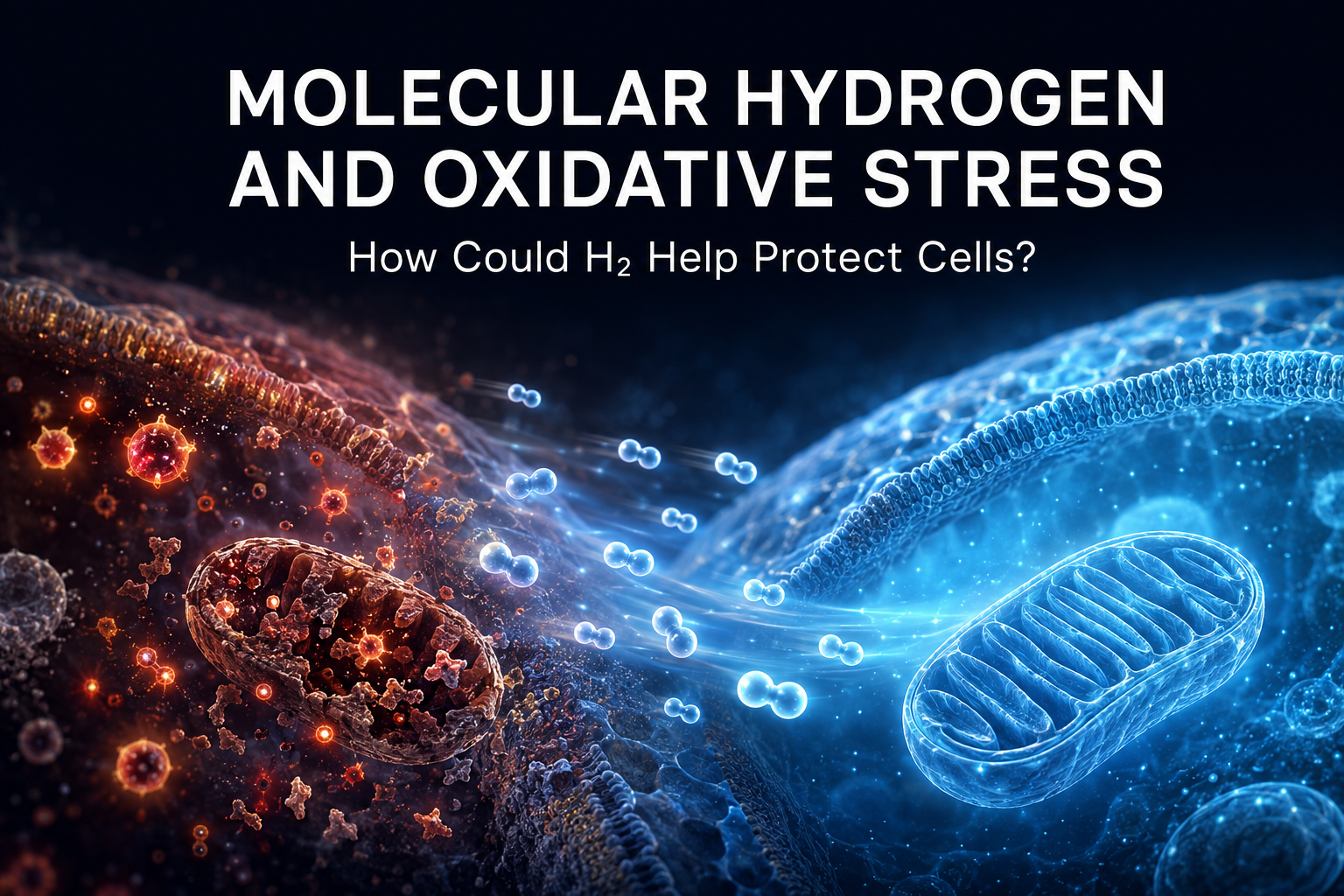
This is where molecular hydrogen and oxidative stress have become an important area of research. Molecular hydrogen (H₂) is a tiny, electrically neutral gas that can diffuse rapidly through tissues. Laboratory, animal and early human studies suggest that it may influence oxidative damage, inflammatory signalling and the body’s own antioxidant-response systems. However, the evidence is still developing, and hydrogen therapy is not an approved treatment or cure for oxidative stress or any disease.
What is oxidative stress?
Oxidative stress describes an imbalance in which oxidants outweigh the systems that normally control them, disrupting redox signalling and potentially causing molecular damage.
The best-known oxidants are reactive oxygen species. These include:
Superoxide
Hydrogen peroxide
Hydroxyl radicals
Peroxynitrite, a reactive nitrogen species formed from nitric oxide and superoxide
The body is designed to manage these molecules. It produces antioxidant enzymes such as superoxide dismutase, catalase and glutathione peroxidase, while nutrients obtained from a balanced diet also support antioxidant defence.
The goal is therefore not to eliminate every free radical. Some ROS are essential biological messengers. A healthier aim is to maintain redox balance: enough reactive activity for normal function, without prolonged excess that damages lipids, proteins, DNA or cell membranes.
What causes excessive oxidative stress?
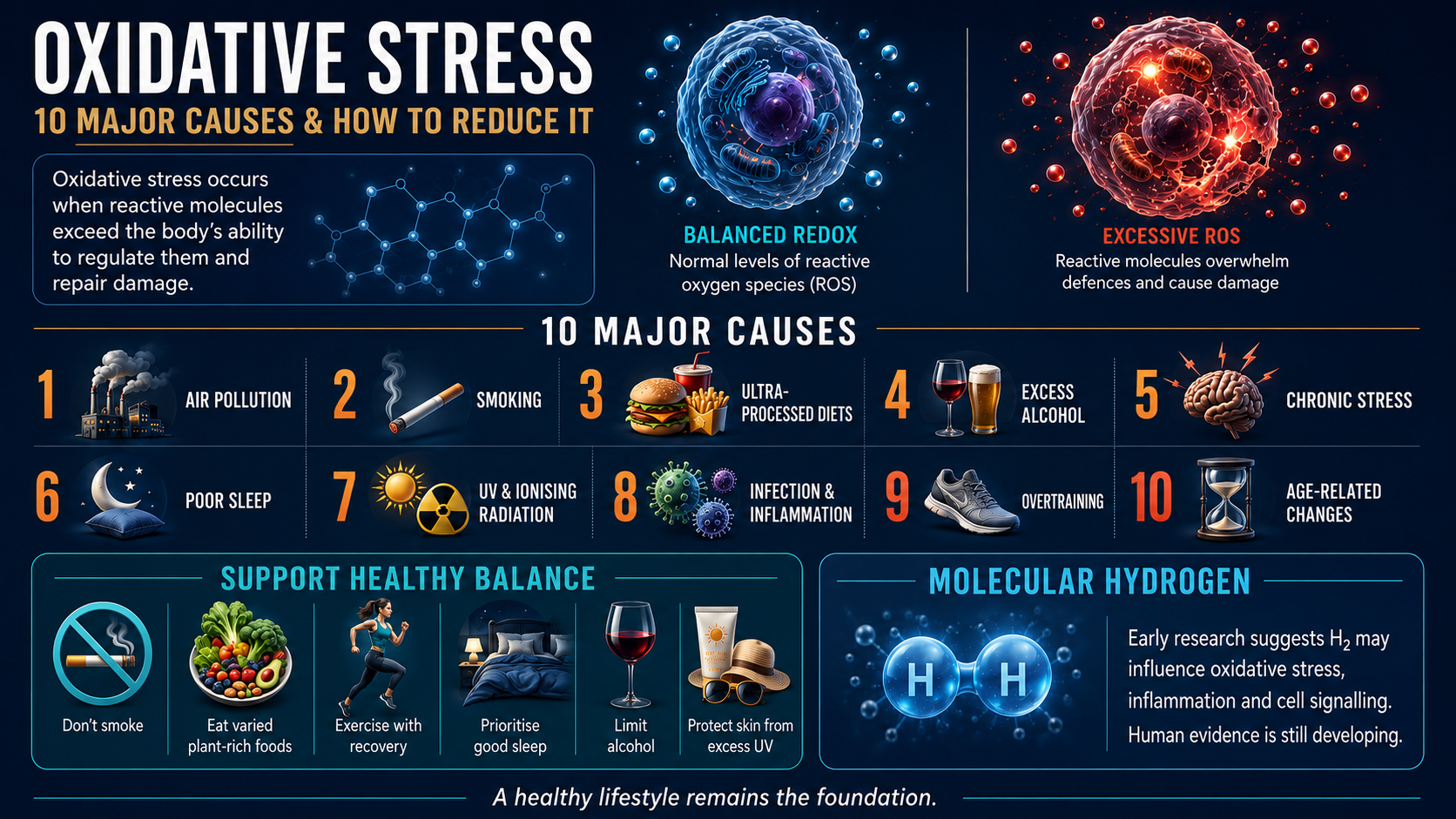
Oxidative stress rarely has a single cause. It often develops when several internal and external pressures overlap.
1. Normal energy production
Mitochondria use oxygen to convert nutrients into cellular energy. Small amounts of ROS are produced naturally during this process. Healthy cells normally control them, but mitochondrial dysfunction or unusually high metabolic demand may increase the burden.
2. Chronic inflammation
Immune cells deliberately generate reactive molecules to defend the body. When inflammation becomes persistent, this protective response can contribute to continuing oxidative pressure. Oxidative stress and inflammation may then reinforce one another.
3. Air pollution and smoke
Cigarette smoke, exhaust fumes and fine particulate pollution can introduce oxidants and stimulate inflammatory responses. Avoiding smoking and reducing exposure to polluted air are among the most meaningful ways to lower preventable oxidative stress.
4. Excessive ultraviolet radiation
Sunlight is important for health, but excessive UV exposure can generate ROS in the skin and contribute to cellular and DNA damage. Sensible sun protection matters.
5. Heavy alcohol intake
Breaking down alcohol produces reactive metabolites and may weaken antioxidant defences, especially in the liver. Risk generally rises with the amount and frequency consumed.
6. Poor-quality diet
A diet dominated by ultra-processed foods and lacking fruit, vegetables, fibre and other nutrient-dense foods may provide fewer compounds needed to support the body’s antioxidant systems. Persistently high blood glucose can also promote oxidative pathways.
7. Sleep loss and disrupted body rhythms
Sleep supports metabolic regulation, repair and immune balance. Repeated sleep restriction and circadian disruption have been associated with changes in oxidative-stress markers, although the response varies between individuals.
8. Psychological stress
Long-lasting psychological stress can affect hormonal, inflammatory and metabolic pathways. It does not mean that stress “creates toxins”, but chronic stress may add to the physiological conditions in which oxidative imbalance develops.
9. Sedentary living—or excessive training without recovery
Regular exercise strengthens the body’s own antioxidant defences. A sedentary lifestyle may reduce this adaptation. At the opposite extreme, intense or unfamiliar exercise temporarily increases ROS, especially when recovery, sleep and nutrition are inadequate.
10. Illness, medication and environmental exposure
Infections, metabolic disorders and many other conditions can alter redox balance. Some medicines and medical treatments also generate oxidative stress as part of their effects. Medication should never be stopped or altered in an attempt to reduce oxidative stress without medical advice.
How might molecular hydrogen affect oxidative stress?
Molecular hydrogen is often described simply as an antioxidant, but current research suggests a more nuanced picture. Several mechanisms have been proposed.
Selective interaction with highly reactive species
A landmark 2007 study published in Nature Medicine reported that H₂ reduced the highly reactive hydroxyl radical in cell experiments without eliminating several ROS involved in normal signalling. In a rat model of brain ischaemia and reperfusion, low-concentration hydrogen inhalation also reduced markers of oxidative injury and brain damage.
This study helped launch modern molecular-hydrogen research, but it is important to understand its limits: the principal evidence came from cells and an animal model, not from a clinical trial demonstrating disease treatment in people.
Support for the body’s own defence pathways
Later research suggests H₂ may do more than react directly with a radical. It may influence redox-sensitive signalling pathways, including Nrf2, which helps regulate the production of protective enzymes. Researchers have also investigated effects on inflammatory pathways, mitochondrial function and cell-survival signalling.
These indirect actions could help explain why biological effects are sometimes observed at concentrations too low for H₂ to function like a conventional, high-dose antioxidant. The exact mechanisms remain under investigation and may differ between tissues and physiological conditions.
Rapid diffusion
Because H₂ is the smallest molecule and carries no electrical charge, it can diffuse through biological membranes and reach cellular compartments that larger compounds may not access as readily. Hydrogen can be administered in several ways, most commonly by inhalation or by drinking hydrogen-rich water.
Rapid distribution is biologically interesting, but it does not by itself prove a health benefit. The meaningful questions are whether an intervention changes validated outcomes in humans, at what dose, and for which population.
What does human research show?
The human evidence is encouraging in places but not yet conclusive.
A 2023 review of clinical studies identified research involving hydrogen inhalation and hydrogen-rich water across cardiovascular, metabolic, neurological, inflammatory and exercise-related settings. The authors reported promising findings but also highlighted major limitations: many trials were small, used different delivery methods and doses, measured different outcomes, or lacked replication.
A 2024 systematic review and meta-analysis examining molecular-hydrogen supplementation and exercise-induced oxidative stress found evidence of improved antioxidant capacity in healthy adults, particularly in some intermittent-exercise settings. However, results were not consistent across every marker or exercise type.
A small randomised controlled study published in 2024 also investigated hydrogen inhalation and blood markers related to oxidative stress. Findings such as these add to the human evidence base, but an isolated biomarker change is not the same as proof that hydrogen prevents disease, reverses ageing or produces a meaningful long-term health benefit.
Overall, research supports biological plausibility and further investigation. It does not yet justify presenting hydrogen therapy as a proven treatment for oxidative stress-related disease.
Molecular hydrogen is not a blanket antioxidant
The phrase “antioxidant” can create the impression that more is always better. Biology is not that simple.
ROS help regulate immune activity, adaptation to exercise and normal cellular communication. Attempting to suppress all oxidative activity could interfere with useful processes. The research interest in H₂ partly comes from the possibility that it may modulate damaging oxidative activity without indiscriminately removing every signalling molecule.
That proposed selectivity is valuable, but it should not be exaggerated. Scientists are still debating how much of hydrogen’s activity comes from direct chemical reactions and how much comes from effects on gene expression, signalling, inflammation, mitochondria or the gut microbiome.
Hydrogen inhalation versus hydrogen-rich water
Both methods deliver molecular hydrogen, but they are not interchangeable.
Hydrogen inhalation supplies H₂ continuously through the lungs during a session. The amount delivered depends on hydrogen concentration, gas-flow rate, breathing pattern and session duration.
Hydrogen-rich water contains a limited quantity of dissolved H₂, which begins escaping as soon as the container is opened. Its dose depends on concentration, volume, storage and how quickly it is consumed.
Neither a high machine flow rate nor a high water concentration automatically proves a better clinical result. Product specifications describe delivery; well-designed clinical trials are needed to establish health outcomes.
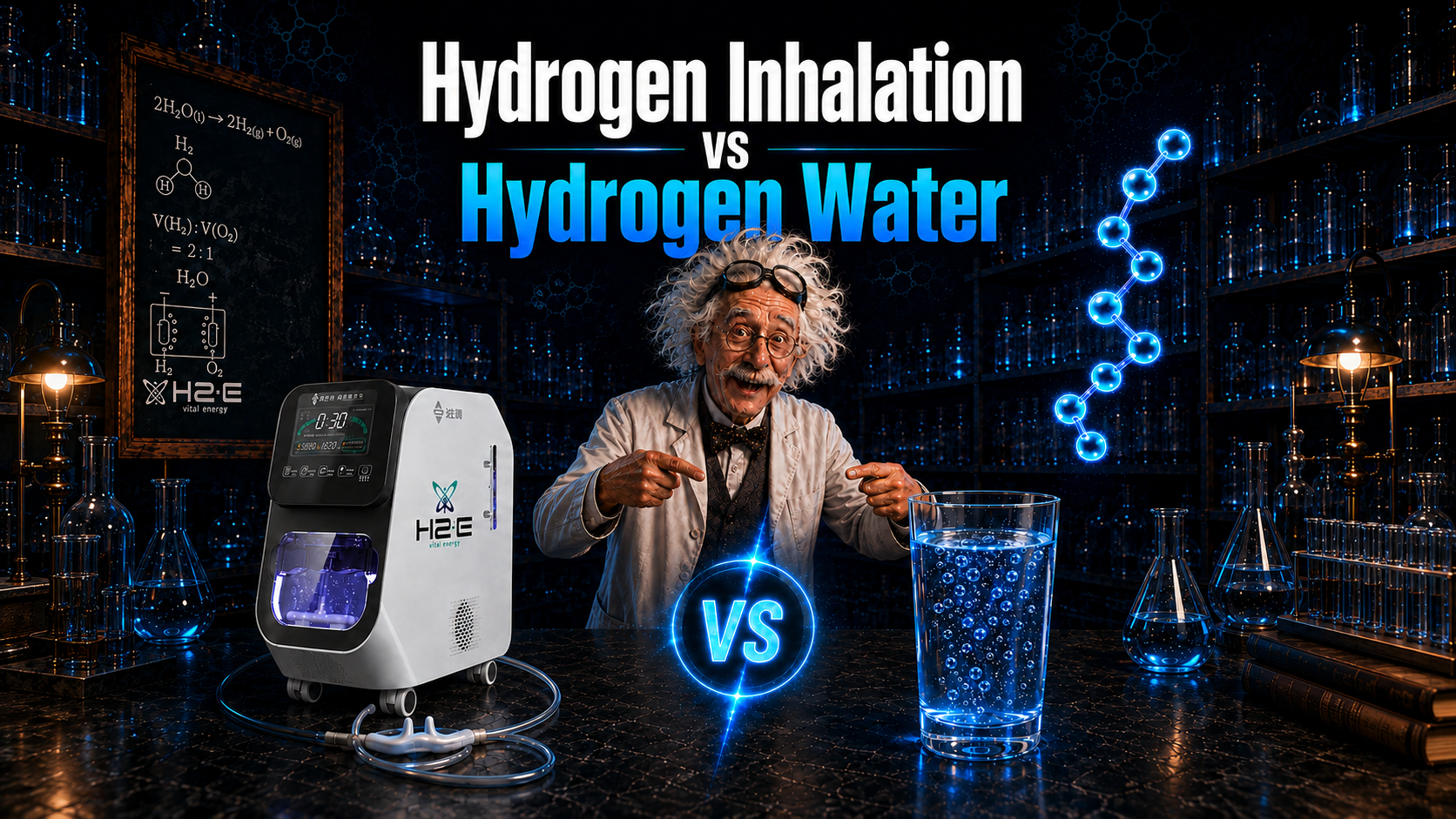
For a fuller comparison, read Hydrogen Inhalation vs Hydrogen Water.
Practical ways to support a healthier redox balance
Molecular hydrogen should be considered, at most, an adjunct to healthy habits—not a replacement for them. The strongest foundations remain:
Do not smoke, and minimise exposure to second-hand smoke.
Eat a varied diet rich in vegetables, fruit, legumes, whole grains, nuts and other minimally processed foods.
Exercise regularly and increase intensity progressively.
Allow adequate recovery after demanding training.
Prioritise consistent, sufficient sleep.
Keep alcohol intake low.
Use sun protection and avoid burning.
Address persistent stress with practical support, relaxation, social connection or professional help.
Work with a healthcare professional to manage diabetes, cardiovascular risk, inflammatory conditions and other medical problems.
High-dose antioxidant supplements are not automatically beneficial and can interact with medication or, in some contexts, blunt desirable exercise adaptations. A food-first approach is usually more appropriate unless a clinician has identified a specific need.
Is hydrogen therapy safe?
Hydrogen has been used in a range of human studies and is generally reported as well tolerated under controlled conditions. However, safe administration depends on equipment design, gas composition, ventilation, correct use and adherence to the manufacturer’s instructions.
Hydrogen is flammable at sufficient concentration in air. Never smoke or use a hydrogen device near flames, heat sources or sparks. Do not modify equipment or use an unverified gas generator for inhalation.
People who are pregnant, have a serious medical condition, use supplemental oxygen or are receiving medical treatment should speak with an appropriate healthcare professional before trying hydrogen therapy. It should not replace medication, medical investigation or evidence-based care.
Read our detailed guide: Is Hydrogen Therapy Safe?.
The bottom line
Oxidative stress is not simply “bad free radicals” that need to be eliminated. It is a disturbance of a finely regulated system in which reactive molecules also perform essential jobs.
Research suggests molecular hydrogen may help influence this balance by interacting with highly reactive species and by modulating antioxidant, inflammatory and mitochondrial signalling. Early human studies are promising, but the field still needs larger, independent and longer-term clinical trials.
The most accurate conclusion is therefore neither hype nor dismissal: molecular hydrogen is a scientifically interesting, investigational approach to oxidative stress, best considered alongside—not instead of—the lifestyle and medical measures already known to support health.
To explore the wider evidence, visit Hydrogen Therapy Benefits: What Does the Research Show?.
Frequently asked questions
Can molecular hydrogen reduce oxidative stress?
Laboratory, animal and some small human studies report changes in oxidative-stress or antioxidant markers after molecular-hydrogen use. These findings are promising, but they do not establish H₂ as a proven treatment for oxidative stress or related diseases.
Is molecular hydrogen a free-radical scavenger?
The original model proposed that H₂ selectively interacts with highly damaging radicals such as the hydroxyl radical. Newer research suggests its effects may also involve redox signalling, Nrf2-regulated defences, inflammation and mitochondrial pathways.
Are all free radicals harmful?
No. Reactive oxygen species contribute to normal immune defence, cellular signalling and adaptation to exercise. Harm is more likely when reactive activity becomes excessive, prolonged or poorly controlled.
Is hydrogen inhalation better than antioxidant supplements?
There is not enough high-quality comparative evidence to make that claim. Hydrogen and nutritional antioxidants behave differently, and neither replaces a balanced diet or appropriate medical care.
How quickly does inhaled hydrogen reach the body?
H₂ diffuses rapidly through the lungs and tissues, but rapid delivery does not predict the size or duration of any health effect. Those outcomes depend on dose, delivery method, individual biology and the condition being studied.
Can hydrogen therapy treat a medical condition caused by oxidative stress?
Hydrogen therapy is not an approved treatment for oxidative stress or for chronic diseases associated with it. Anyone with symptoms or a diagnosed condition should continue evidence-based care and discuss complementary approaches with a qualified healthcare professional.
References
Sies H. Oxidative Stress: Concept and Some Practical Aspects. Antioxidants. 2020;9(9):852. https://pmc.ncbi.nlm.nih.gov/articles/PMC7555448/
Pizzino G, et al. Oxidative Stress: Harms and Benefits for Human Health. Oxidative Medicine and Cellular Longevity. 2017;2017:8416763. https://pmc.ncbi.nlm.nih.gov/articles/PMC5551541/
Ohsawa I, et al. Hydrogen acts as a therapeutic antioxidant by selectively reducing cytotoxic oxygen radicals. Nature Medicine. 2007;13:688–694. https://pubmed.ncbi.nlm.nih.gov/17486089/
Ohta S. Molecular hydrogen is a novel antioxidant to efficiently reduce oxidative stress with potential for the improvement of mitochondrial diseases. Biochimica et Biophysica Acta. 2012;1820(5):586–594. https://pubmed.ncbi.nlm.nih.gov/21621588/
Johnsen HM, et al. Molecular Hydrogen Therapy—A Review on Clinical Studies and Outcomes. Molecules. 2023;28(23):7785. https://pmc.ncbi.nlm.nih.gov/articles/PMC10707987/
Zhou K, et al. Can molecular hydrogen supplementation reduce exercise-induced oxidative stress in healthy adults? A systematic review and meta-analysis. 2024. https://pubmed.ncbi.nlm.nih.gov/38590828/
Chair M, et al. The impact of hydrogen inhalation therapy on blood oxidative stress markers: a randomized controlled study. 2024. https://pubmed.ncbi.nlm.nih.gov/38996821/
Azzi A. Oxidative Stress: What Is It? Can It Be Measured? Where Is It Located? Can It Be Good or Bad? Can It Be Prevented? Can It Be Cured? Antioxidants. 2022;11(8):1431. https://pubmed.ncbi.nlm.nih.gov/35892633/