Molecular hydrogen is attracting increasing attention in the worlds of wellness, sports performance and scientific research. Although hydrogen is the simplest and most abundant element in the universe, researchers are still investigating how its molecular form—known as H₂—may interact with the human body.
But what exactly is molecular hydrogen? How is it different from the hydrogen already found in water? How can it be used, and what does the scientific evidence currently tell us?
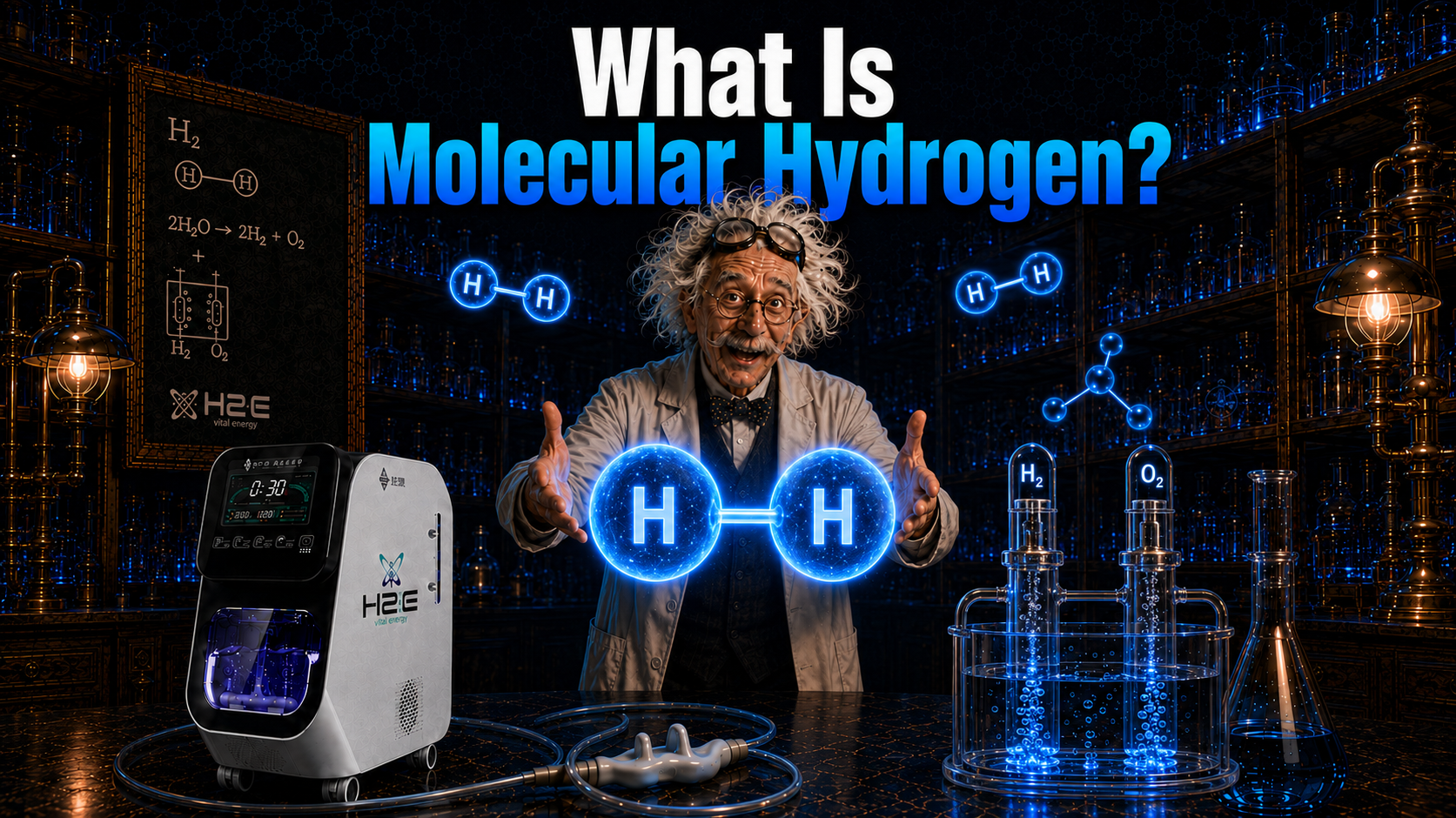
Molecular hydrogen is a colourless, odourless and tasteless gas made from two hydrogen atoms bonded together. It can be inhaled as part of a carefully produced gas mixture or dissolved in water to create hydrogen-rich water. Because a H₂ molecule is extremely small, it can diffuse rapidly through the body and cross biological membranes.
Research into molecular hydrogen has explored its possible relationship with oxidative stress, inflammation, cellular signalling, energy metabolism, exercise recovery and several areas of human health. Early findings are promising, but the quality and scale of the evidence vary significantly. Molecular hydrogen should therefore be viewed as an emerging area of research—not as a proven cure or replacement for conventional medical treatment.
This comprehensive guide explains what molecular hydrogen is, how it is produced, the different ways it can be used and what researchers have discovered so far.
What Is Molecular Hydrogen?
Molecular hydrogen is the scientific name for hydrogen gas, represented by the chemical formula H₂.
Each H₂ molecule consists of two hydrogen atoms joined together by a covalent bond. Individually, hydrogen atoms are highly reactive. When two atoms combine to form molecular hydrogen, they create a relatively stable, electrically neutral molecule.
Molecular hydrogen has several important physical characteristics:
-
- It is the smallest known molecule.
-
- It is colourless.
-
- It is odourless.
-
- It is tasteless.
-
- It is non-polar and electrically neutral.
-
- It diffuses rapidly through many materials.
-
- It is highly flammable and must be produced and used correctly.
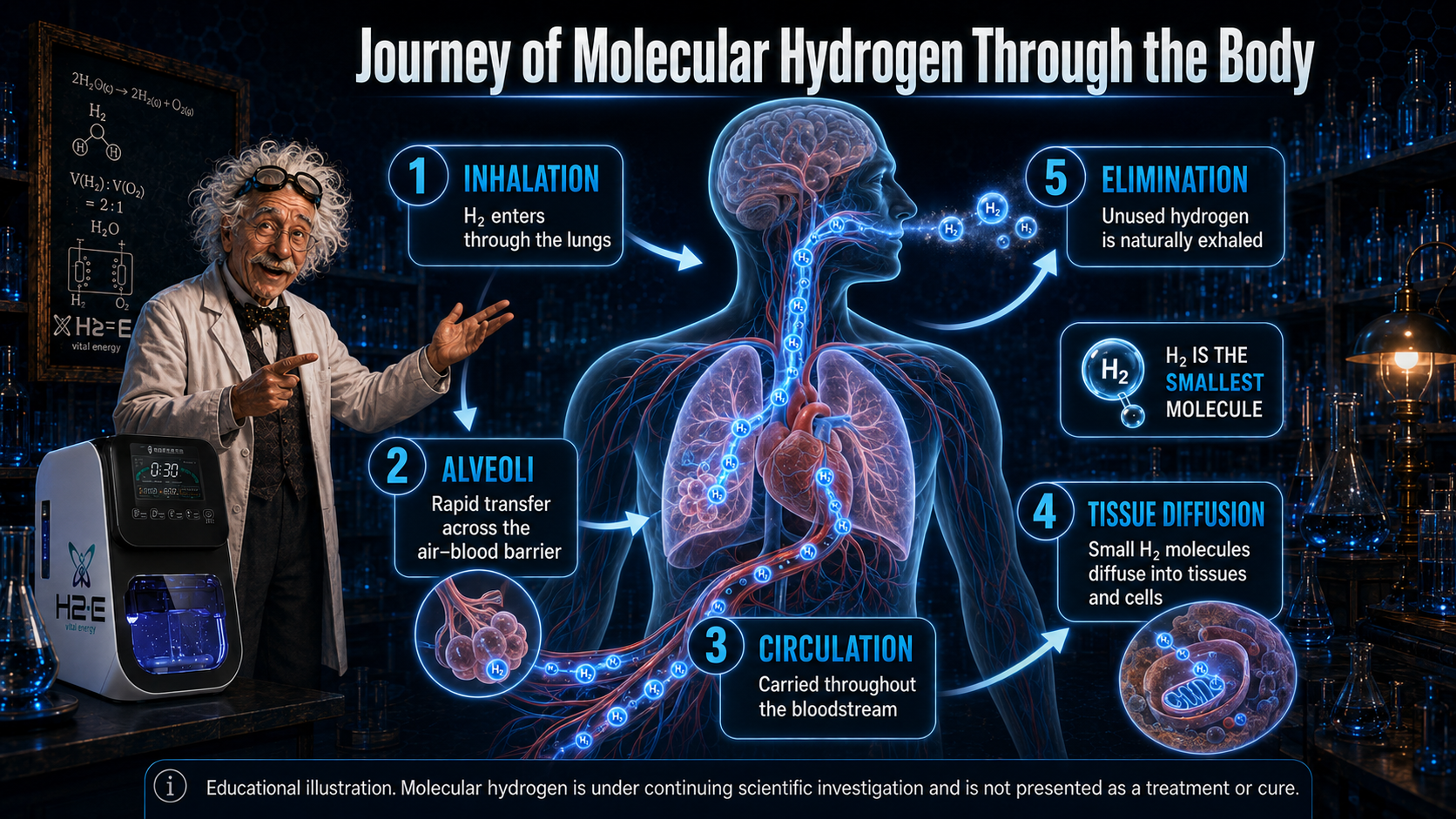
The exceptionally small size of H₂ is one of the reasons researchers find it interesting. Unlike many larger compounds, molecular hydrogen may pass through cell membranes and diffuse into tissues, cells and cellular structures.
Scientific studies suggest that molecular hydrogen can reach areas of the body that may be difficult for larger molecules to access. Researchers have therefore explored whether it could influence oxidative stress, inflammatory signalling and other biological processes.
However, being able to enter tissues does not automatically mean that H₂ will produce a meaningful clinical benefit. Researchers must still determine the most effective delivery methods, concentrations, treatment periods and medical circumstances in which it might be useful.
Is Molecular Hydrogen the Same as the Hydrogen in Water?
Molecular hydrogen is not the same thing as the hydrogen atoms chemically bonded inside a water molecule.
Water has the chemical formula H₂O. It contains two hydrogen atoms bonded to one oxygen atom. Under normal circumstances, drinking ordinary water does not release a significant amount of free molecular hydrogen into the body.
Hydrogen-rich water, by comparison, is regular water containing dissolved H₂ gas. The water remains H₂O, but it also holds a temporary concentration of free molecular hydrogen.
This distinction is important:
-
- Ordinary water: H₂O molecules without a meaningful concentration of dissolved H₂ gas.
-
- Hydrogen-rich water: H₂O containing additional dissolved molecular hydrogen.
-
- Hydrogen gas: Molecular hydrogen supplied as H₂ in gaseous form.
-
- Hydrogen peroxide: H₂O₂, a completely different chemical compound.
-
- Hydrogen sulphide: H₂S, a toxic gas that is chemically and biologically different from H₂.
The word “hydrogen” can refer to several different substances, but they should not be confused. Molecular hydrogen used in research is H₂ gas—not hydrogen peroxide and not hydrogen sulphide.
Is Molecular Hydrogen Natural?
Yes. Molecular hydrogen occurs naturally, although it is rarely found in large amounts in Earth’s atmosphere because it is extremely light and can escape into space.
Hydrogen is the most abundant element in the universe. It plays a major role in stars, including the Sun, where hydrogen atoms participate in nuclear fusion.
Hydrogen is also present throughout the human body, but it is usually chemically bonded to other elements. Water, carbohydrates, fats, proteins and many other biological molecules contain hydrogen atoms.
Small amounts of molecular hydrogen can also be produced inside the digestive system. Certain intestinal bacteria generate H₂ when fermenting carbohydrates and fibre. Some of this gas is absorbed into the bloodstream, while the remainder may be released through breathing or intestinal gas.
This natural production demonstrates that the body is regularly exposed to small amounts of H₂. However, internally produced hydrogen varies considerably between people depending on diet, gut bacteria, digestive transit and other factors.
Researchers are studying whether supplying molecular hydrogen through inhalation or hydrogen-rich water can provide different or more consistent exposure than the amounts generated naturally in the digestive system.
Why Are Scientists Interested in Molecular Hydrogen?
For many years, molecular hydrogen was considered biologically inactive. Because H₂ is small and relatively stable, scientists assumed that it passed through the body without producing meaningful effects.
That view began to change as laboratory research suggested that H₂ might influence certain biological processes.
An influential 2007 study investigated molecular hydrogen in an experimental model of oxidative injury. The researchers reported that hydrogen could reduce particular highly reactive molecules and limit oxidative damage under the study conditions. This publication helped stimulate a much wider field of molecular hydrogen research. The original study was preclinical, so its findings could not by themselves establish effectiveness in people, but it provided an important scientific starting point.
Since then, researchers have studied molecular hydrogen through:
-
- Laboratory experiments
-
- Cell studies
-
- Animal models
-
- Small human trials
-
- Randomised controlled trials
-
- Observational studies
-
- Systematic reviews
-
- Registered clinical trials
A 2023 review identified dozens of human clinical studies involving molecular hydrogen, while also noting substantial differences in study design, participant groups, delivery methods and outcome measures. These differences make it difficult to draw one universal conclusion about hydrogen therapy.
The important question is no longer simply whether H₂ can interact with biological systems. Scientists are now trying to establish how it works, when it might be beneficial, how much should be administered and whether preliminary findings can be reproduced in larger, independent clinical trials.
Molecular Hydrogen and Oxidative Stress
Oxidative stress is one of the most frequently discussed subjects in molecular hydrogen research.
The body constantly produces molecules known as reactive oxygen species, often abbreviated as ROS. These molecules are generated during ordinary metabolism, immune activity, exercise and exposure to environmental stressors.
Reactive oxygen species are not always harmful. At controlled levels, they contribute to:
-
- Cell signalling
-
- Immune defence
-
- Adaptation to exercise
-
- Regulation of blood vessels
-
- Normal metabolic processes
Problems may occur when the production of reactive molecules exceeds the body’s ability to regulate them. This imbalance is known as oxidative stress.
Excessive oxidative stress can damage lipids, proteins, DNA and cellular structures. It is associated with ageing and many disease processes, although an association does not mean oxidative stress is always the sole cause.
Early molecular hydrogen research proposed that H₂ could act as a selective antioxidant. Rather than suppressing every reactive species, molecular hydrogen appeared under certain experimental conditions to interact with particularly damaging oxidants, including hydroxyl radicals.
This proposed selectivity attracted attention because the body requires some reactive species for normal signalling. A compound that removed every oxidant indiscriminately could theoretically interfere with beneficial biological functions.
However, the direct antioxidant explanation does not appear to tell the whole story. The amount of hydrogen reaching tissues may be too low or too short-lived to explain all reported effects through direct radical scavenging alone.
Current research therefore considers several additional possibilities, including whether molecular hydrogen affects:
-
- Cellular redox signalling
-
- Antioxidant-response pathways
-
- Gene expression
-
- Mitochondrial activity
-
- Inflammatory signalling
-
- Stress-response systems
-
- Programmed cell-death pathways
The exact mechanisms have not been fully established. It is more accurate to say that H₂ may influence the regulation of oxidative stress than to describe it as a simple antioxidant that directly neutralises every harmful molecule.
Molecular Hydrogen and Inflammation
Inflammation is a natural part of the immune response. It helps the body respond to infection, injury and tissue damage.
Short-term inflammation is essential to healing. Chronic or poorly regulated inflammation, however, can contribute to ongoing tissue damage and is associated with numerous health conditions.
Laboratory and clinical researchers have explored whether molecular hydrogen can influence inflammatory activity. Some studies have reported changes in inflammatory markers or signalling pathways after hydrogen exposure.
One randomised, double-blind study involving healthy adults found that hydrogen-rich water influenced certain markers connected with antioxidant activity, inflammation and cell survival. Although this type of research is encouraging, individual biomarkers do not always translate into noticeable or long-term health improvements.
Researchers are particularly interested in pathways such as NF-κB and Nrf2. These are involved in the body’s response to oxidative stress and inflammation. Experimental studies suggest H₂ may influence these systems, but the response can vary according to the model, dose, tissue and timing.
It is therefore premature to claim that molecular hydrogen can treat inflammatory diseases generally. Results from one condition cannot automatically be applied to another, and small exploratory trials require confirmation through larger studies.
A fair summary is that molecular hydrogen has demonstrated anti-inflammatory potential in several experimental settings, but researchers are still determining how clinically significant and reliable these effects may be.
Molecular Hydrogen and Mitochondrial Function
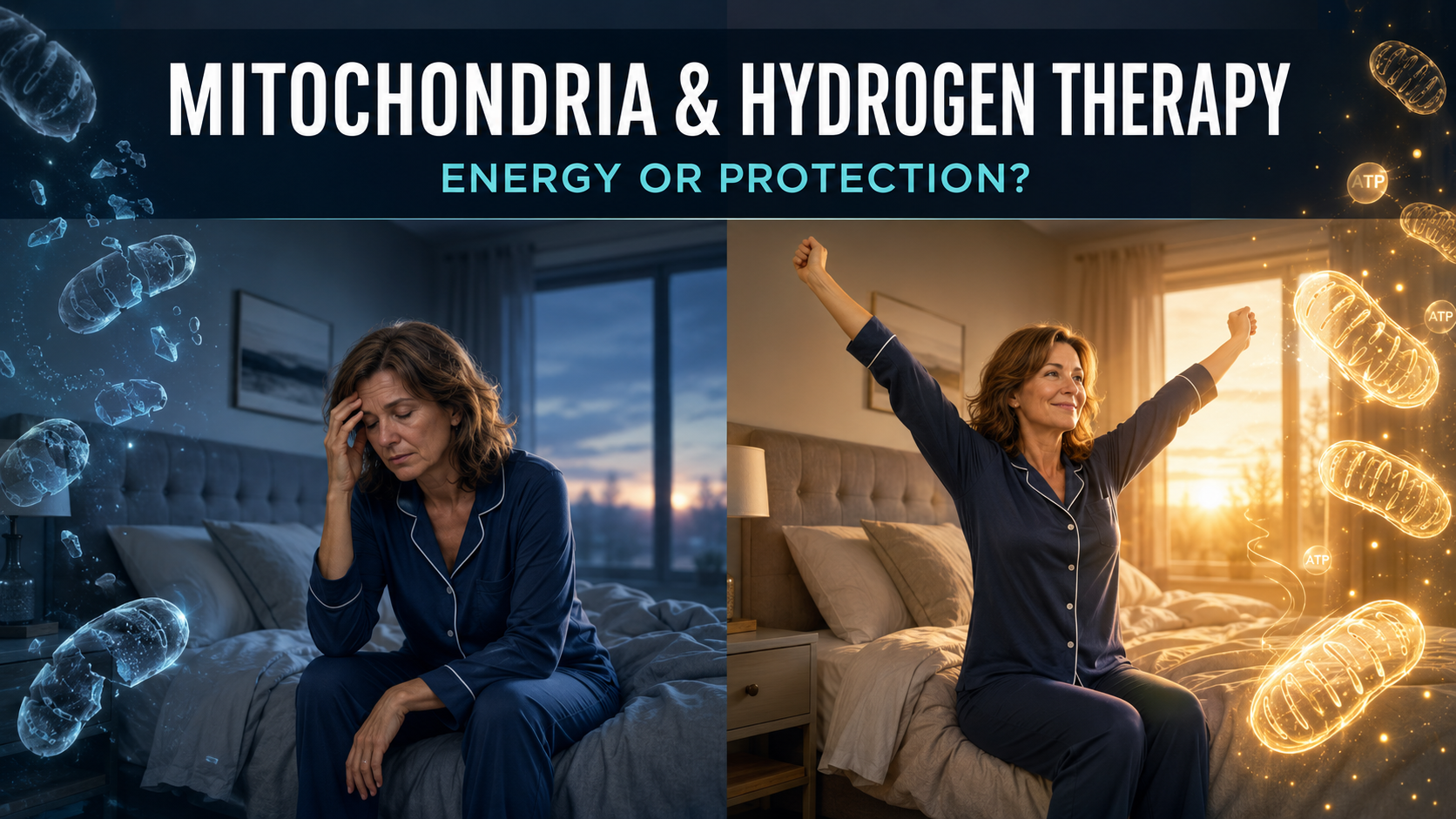
Mitochondria are specialised structures found inside most human cells. They convert nutrients into adenosine triphosphate, or ATP, which cells use as a source of energy.
Mitochondria also contribute to:
-
- Cell signalling
-
- Calcium regulation
-
- Heat production
-
- Metabolic control
-
- Programmed cell death
-
- Production and management of reactive oxygen species
Because mitochondria are both a source and a target of oxidative stress, they are an important area of molecular hydrogen research.
The small, non-polar nature of H₂ may allow it to diffuse into cells and subcellular structures. Some experimental studies suggest molecular hydrogen may help regulate oxidative reactions associated with mitochondrial activity.
This has led to interest in molecular hydrogen for fatigue, physical performance, recovery and conditions involving mitochondrial stress. Nevertheless, “supporting mitochondrial function” is a broad concept, and it should not be interpreted as proof that hydrogen will increase everyone’s energy.
Fatigue can result from many causes, including poor sleep, anaemia, thyroid disorders, infections, medication effects, nutritional deficiencies and serious medical conditions. Anyone experiencing persistent or unexplained fatigue should seek medical assessment rather than relying on hydrogen or another wellness intervention.
How Can Molecular Hydrogen Be Administered?
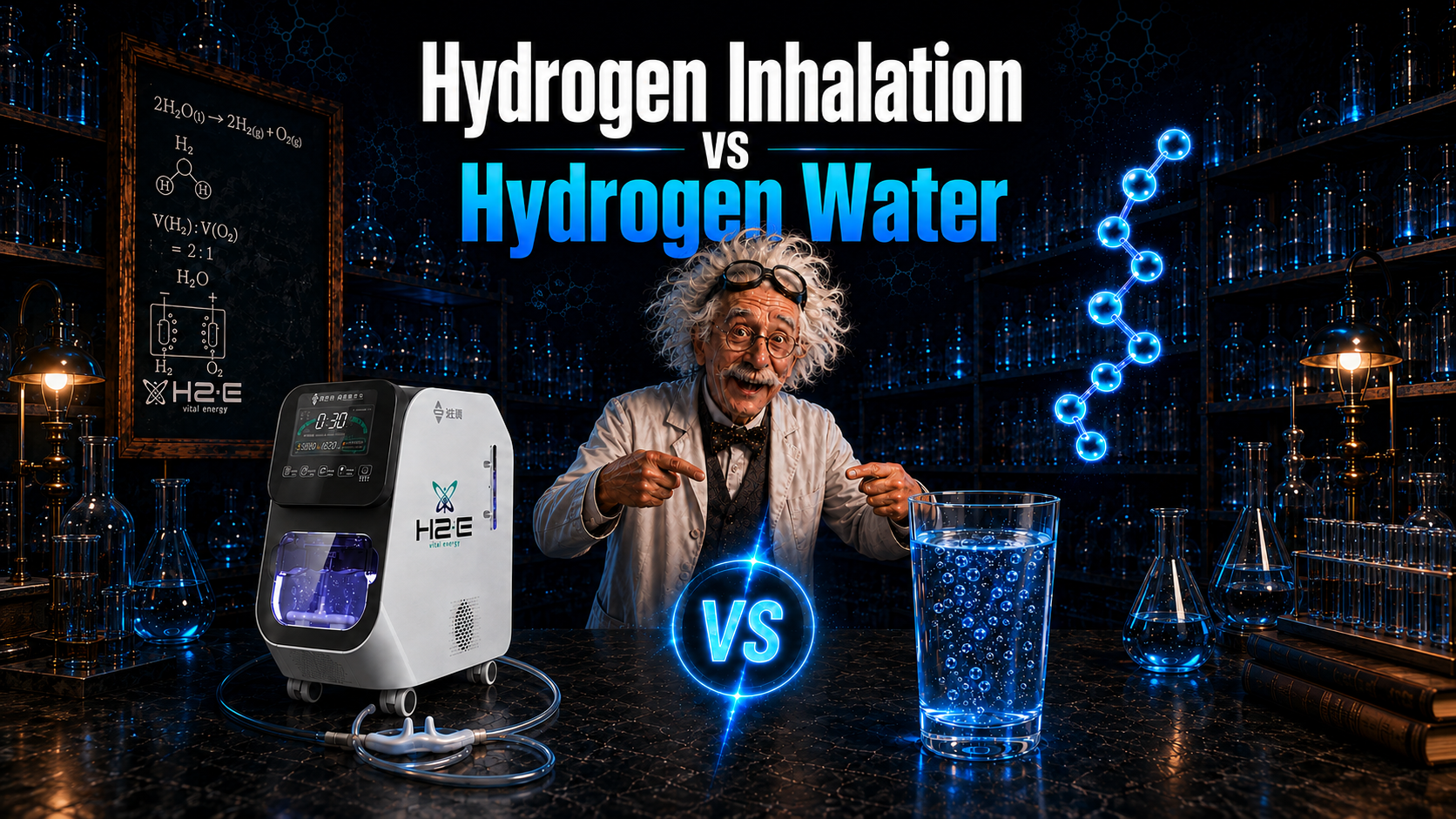
Molecular hydrogen has been studied using several delivery methods. The two methods most familiar to the public are hydrogen inhalation and hydrogen-rich water.
Other methods appear mainly in laboratory, medical or experimental settings.
1. Hydrogen inhalation
Hydrogen inhalation involves breathing a carefully generated gas containing molecular hydrogen. Depending on the equipment and intended protocol, hydrogen may be combined with air, oxygen or another controlled gas mixture.
Hydrogen inhalation can provide a continuous supply of H₂ for the duration of a session. The gas is usually delivered through a nasal cannula or an appropriate breathing interface.
The concentration and flow rate are separate measurements:
-
- Concentration indicates what proportion of the inhaled gas is hydrogen.
-
- Flow rate describes how much gas the machine produces over a given time.
A machine with a higher total gas flow does not necessarily deliver a higher hydrogen concentration. Consumers should understand both figures when comparing hydrogen machines.
Hydrogen inhalation has been used in laboratory experiments and human research, but protocols vary widely. There is no single universally established session duration or flow rate suitable for every purpose or every person.
2. Hydrogen-rich water
Hydrogen-rich water contains molecular hydrogen dissolved in drinking water.
Because H₂ is the smallest molecule and has low solubility, it can escape relatively quickly—particularly after a container is opened or the water is exposed to air. Temperature, pressure, storage material and time can all affect how much dissolved hydrogen remains.
Hydrogen concentration in water may be expressed as:
-
- Parts per million, or ppm
-
- Milligrams per litre, or mg/L
-
- Micromoles per litre, or µmol/L
For dilute water solutions, 1 ppm is approximately equivalent to 1 mg/L, although measurement conditions still matter.
Hydrogen-rich water has the advantage of being simple to consume, but exposure is relatively brief. The quantity of molecular hydrogen delivered through water also differs from that supplied during an inhalation session.
Neither method should automatically be declared “better.” They provide hydrogen in different ways, and the appropriate choice depends on the intended use, quality of the equipment and available scientific evidence.
3. Hydrogen-rich saline
Hydrogen can be dissolved in sterile saline solution. Researchers have used hydrogen-rich saline in animal studies and limited clinical settings.
Injectable or intravenous products are medical interventions and should never be attempted at home. They require suitable manufacturing standards, sterile preparation and professional clinical supervision.
4. Hydrogen baths and topical applications
Some researchers have investigated hydrogen-enriched baths, topical preparations and hydrogen-producing materials.
The skin may be exposed to dissolved H₂ during bathing, but evidence for specific health outcomes is limited. Product claims should be evaluated carefully, particularly when the actual concentration and stability of hydrogen have not been independently measured.
What Is a Molecular Hydrogen Machine?
A molecular hydrogen machine generates H₂ for inhalation, for producing hydrogen-rich water or, in some models, for both purposes.
Many modern machines use electrolysis. Electrolysis applies an electrical current to water to separate water molecules into hydrogen and oxygen.
The simplified chemical reaction is:
2H₂O → 2H₂ + O₂
However, safe and reliable hydrogen generation is more complex than this formula suggests. Equipment quality, electrode materials, membrane technology, gas separation, water purity, filtration, pressure control and built-in safety systems can all influence performance.
Some hydrogen therapy machines generate hydrogen and oxygen together. Others use membrane technology to separate the gases and supply predominantly hydrogen through a designated outlet.
Consumers should never assume that all hydrogen machines work in the same way.
When comparing a molecular hydrogen machine, important questions include:
-
- What gas does the machine produce?
-
- What is the stated hydrogen flow rate?
-
- What is the hydrogen concentration?
-
- Is hydrogen mixed with oxygen or separated?
-
- Is the output independently tested?
-
- Which type of water must be used?
-
- What safety systems are included?
-
- What maintenance is required?
-
- Is there a clear warranty?
-
- Is UK-based support available?
-
- Are instructions and safety warnings supplied?
-
- Does the product hold the relevant conformity documentation for its intended market and use?
A high flow rate may be useful in some circumstances, but it is not the only sign of quality. Reliability, purity, engineering standards and after-sales support also matter.
Why Water Quality Matters in a Hydrogen Machine
The correct water is essential for the operation and lifespan of many hydrogen-generating machines.
Depending on the manufacturer’s instructions, a machine may require purified, deionised or distilled water. Tap water and mineral water contain dissolved minerals and other substances that can accumulate on internal components.
Over time, unsuitable water may:
-
- Contaminate internal reservoirs
-
- Create mineral deposits
-
- Reduce the efficiency of electrodes
-
- Block or damage components
-
- Affect gas purity
-
- Shorten the life of the machine
-
- Invalidate the warranty
Even water sold as distilled can vary in purity once it has been manufactured, bottled, stored and opened. A total dissolved solids meter, commonly called a TDS pen, can provide a basic indication of dissolved substances.
A TDS reading does not identify individual contaminants or confirm microbiological purity, but it can help users detect when water contains more dissolved material than expected.
Always follow the specific instructions supplied with the machine. The requirements for one model should not automatically be applied to every hydrogen machine.
What Are the Potential Benefits of Molecular Hydrogen?
Research has examined molecular hydrogen in numerous areas. These investigations do not mean H₂ has been proven to prevent, treat or cure every condition studied.
The following sections describe areas of scientific interest rather than guaranteed health outcomes.
Oxidative stress regulation
Multiple studies have explored whether molecular hydrogen may help regulate oxidative stress. Researchers have reported changes in oxidative stress markers in some experimental and human studies.
Results depend on the population, delivery method, dose and biomarkers measured. More high-quality trials are needed to determine whether these biochemical changes produce consistent clinical benefits.
Exercise and physical recovery
Molecular hydrogen has become popular among athletes because exercise temporarily increases oxidative activity, inflammation and muscle stress.
Studies involving hydrogen-rich water or hydrogen inhalation have examined:
-
- Perceived fatigue
-
- Muscle soreness
-
- Blood lactate
-
- Exercise performance
-
- Recovery markers
-
- Repeated exercise capacity
Results have been mixed. A 2023 meta-analysis found moderate evidence that molecular hydrogen supplementation could reduce fatigue in healthy adults, but it did not find an overall improvement in aerobic capacity.
This distinction is important. Feeling less fatigued is not the same as demonstrating greater cardiovascular fitness or athletic performance.
The available studies also use different doses, timing schedules and types of exercise. Larger, well-controlled trials are needed before firm performance recommendations can be established.
Metabolic health
Researchers have examined hydrogen-rich water and hydrogen inhalation in relation to glucose regulation, cholesterol, body composition and metabolic syndrome.
Some small studies have reported improvements in selected biomarkers, but the evidence is not strong enough to replace established approaches such as:
-
- A balanced diet
-
- Appropriate physical activity
-
- Weight management
-
- Adequate sleep
-
- Prescribed medication
-
- Medical monitoring
Metabolic conditions can cause serious complications and require individual clinical care. Molecular hydrogen should not be presented as an alternative to diabetes, cholesterol or blood-pressure treatment.
Brain and neurological research
The brain uses a significant amount of oxygen and is sensitive to oxidative injury. Molecular hydrogen’s ability to diffuse rapidly has prompted research into neurological conditions and brain injury.
A considerable amount of the evidence comes from cell and animal models. Human trials have been smaller and have produced varying results.
Neurological diseases are complex and can progress even when symptoms temporarily improve. Anyone with symptoms such as weakness, speech difficulty, confusion, seizures or sudden severe headache requires urgent medical care.
Hydrogen inhalation must never delay emergency treatment for a suspected stroke or another neurological emergency.
Cardiovascular research
Researchers have investigated molecular hydrogen in relation to blood-vessel function, oxidative stress and ischaemia-reperfusion injury.
Ischaemia occurs when tissue receives insufficient blood and oxygen. Reperfusion injury can happen when blood flow returns and triggers an intense biochemical response.
The early research that helped popularise molecular hydrogen involved experimental ischaemia-reperfusion injury. While this research remains scientifically interesting, laboratory and animal results cannot automatically be translated into routine human treatment.
Cardiovascular disease requires proper diagnosis and evidence-based care. Molecular hydrogen is not a substitute for emergency services, prescribed medication or procedures recommended by a cardiology team.
Healthy ageing and general wellbeing
Oxidative stress, mitochondrial changes and low-grade inflammation are associated with ageing, making molecular hydrogen interesting to longevity researchers.
However, ageing is not controlled by a single biological pathway. Genetics, nutrition, movement, sleep, social connection, environment and access to healthcare all contribute to long-term health.
Molecular hydrogen may eventually have a role within a broader healthy-ageing strategy, but claims that it reverses ageing or guarantees longevity are not supported by current evidence.
Cancer-support research
Molecular hydrogen has been explored in laboratory studies and limited clinical research relating to cancer and the side effects of some conventional treatments.
This is an area where language must be especially careful. Cancer is not one disease, and different cancers have different causes, molecular characteristics and responses to treatment.
Current evidence does not establish molecular hydrogen as a cure for cancer. It should never replace surgery, chemotherapy, radiotherapy, immunotherapy, hormone therapy or another treatment recommended by a qualified oncology team.
Researchers are investigating whether molecular hydrogen may eventually have an adjunctive or supportive role in specific clinical circumstances. Any such use should be discussed with the patient’s oncology team, particularly during active treatment.
Cancer, like many diseases, may involve more than one contributing process. Supporting the body can therefore require several carefully coordinated approaches. Molecular hydrogen may become one helping hand within that wider process, but it is not a magic cure on its own.
What Does the Clinical Evidence Show?
The scientific literature on molecular hydrogen has expanded considerably. Nevertheless, a large number of publications does not necessarily equal conclusive clinical proof.
Evidence should be judged according to:
-
- Study design
-
- Number of participants
-
- Quality of the control group
-
- Randomisation
-
- Blinding
-
- Duration
-
- Objective versus subjective outcomes
-
- Reproducibility
-
- Risk of bias
-
- Relevance to real-world use
-
- Independence of the researchers
-
- Whether results have been confirmed by other groups
A review published in 2023 assessed 81 identified clinical trials and 64 human clinical publications. It found a broad range of research but also substantial heterogeneity. The studies involved different health conditions, hydrogen delivery methods, doses and outcome measures.
Some trials have reported encouraging effects. Others have found limited changes or no meaningful difference in their primary outcomes.
Common limitations include:
-
- Small participant numbers
-
- Short intervention periods
-
- Different hydrogen concentrations
-
- Inconsistent dosing
-
- Limited independent replication
-
- Reliance on surrogate biomarkers
-
- Difficulty maintaining effective blinding
-
- Publication bias
-
- Lack of long-term follow-up
It would be inaccurate to dismiss every finding simply because the field is developing. It would be equally inaccurate to portray all molecular hydrogen benefits as already proven.
The most responsible conclusion is that molecular hydrogen is a promising research area with plausible biological activity and a growing human evidence base, but larger and more rigorous trials are still required for many proposed uses.
Is Molecular Hydrogen Safe?
Human studies have generally reported good tolerability when molecular hydrogen is supplied through controlled methods and appropriate equipment.
Molecular hydrogen is not the same as a toxic chemical gas. However, “non-toxic” does not mean that every product, concentration, mixture or method of administration is automatically safe.
Hydrogen is highly flammable. It can ignite when it accumulates in air and encounters a flame, spark or other ignition source. The UK Health and Safety Executive classifies hydrogen among flammable gases requiring suitable control.
When using a hydrogen inhalation machine:
-
- Follow the manufacturer’s instructions.
-
- Use the machine in a well-ventilated area.
-
- Keep it away from flames, cigarettes and heat sources.
-
- Do not use it near sparking electrical equipment.
-
- Do not modify the machine, tubing or safety systems.
-
- Use only the specified type of water.
-
- Do not block gas outlets.
-
- Keep the machine upright if instructed.
-
- Inspect tubing and connections regularly.
-
- Stop using damaged equipment.
-
- Keep the equipment away from unsupervised children.
-
- Arrange recommended servicing and maintenance.
Special caution may be needed for people with respiratory conditions, those using supplemental oxygen, pregnant or breastfeeding individuals and people receiving active medical treatment.
A healthcare professional should be consulted before using molecular hydrogen in connection with a diagnosed health condition.
Is Molecular Hydrogen a Medicine?
Molecular hydrogen has been investigated as a medical gas in research, but the regulatory classification of a particular product depends on how it is manufactured, marketed and intended to be used.
In the UK, claims that a product can prevent or treat a disease are medicinal claims. These claims are regulated and generally require suitable authorisation, conformity status and supporting evidence.
A wellness product cannot legally become a proven disease treatment simply because a study mentions the same ingredient or technology.
This means consumers should be cautious when they see claims such as:
-
- “Cures cancer”
-
- “Reverses every chronic disease”
-
- “Guaranteed to eliminate inflammation”
-
- “Replaces medication”
-
- “Prevents heart attacks”
-
- “Repairs all cellular damage”
These claims extend far beyond what present research can establish.
Responsible providers should explain both the potential and the limitations of molecular hydrogen. They should encourage customers to continue prescribed treatment and consult appropriate healthcare professionals.
Molecular Hydrogen Versus Conventional Antioxidants
Molecular hydrogen is sometimes compared with antioxidant vitamins and plant compounds, but H₂ is chemically different.
Traditional antioxidants are often larger molecules that participate in specific biochemical reactions. Their absorption, metabolism and distribution depend on their chemical structure.
Molecular hydrogen:
-
- Is an extremely small gas molecule
-
- Can diffuse rapidly
-
- Does not need to be digested
-
- Is not stored as a vitamin
-
- Leaves the body relatively quickly
-
- May affect signalling in addition to direct chemical reactions
These differences do not prove that H₂ is superior to conventional antioxidants. They simply mean it behaves differently.
The body’s antioxidant system includes enzymes and compounds such as glutathione, superoxide dismutase, catalase and vitamins obtained through diet. Molecular hydrogen should not be regarded as a replacement for good nutrition or the body’s natural defence systems.
How Long Does Molecular Hydrogen Stay in the Body?
Molecular hydrogen enters and leaves the body relatively quickly.
After inhalation, H₂ can diffuse through the lungs into the bloodstream. When hydrogen-rich water is consumed, some dissolved gas may be absorbed through the digestive tract.
Because H₂ is not stored like a fat-soluble vitamin, unused hydrogen can leave through the breath and other routes. Blood and breath concentrations generally change within a relatively short period after exposure.
This short residence time may be one reason research protocols sometimes use regular water consumption or continuous inhalation sessions.
It also means that a longer session is not automatically better. The ideal exposure depends on the concentration, delivery method, purpose and individual circumstances. More research is needed to define evidence-based protocols for different uses.
Does a Higher Hydrogen Flow Rate Mean Better Results?
Not necessarily.
Flow rate tells you how much gas is produced per minute. It does not by itself tell you:
-
- The percentage of hydrogen in the gas
-
- The amount actually inhaled
-
- Gas purity
-
- Whether hydrogen is mixed with oxygen
-
- How much gas escapes around the cannula
-
- The reliability of the machine
-
- Whether a particular output has been clinically studied
-
- Whether a higher output is appropriate for the user
For example, a machine may advertise a total gas output that includes both hydrogen and oxygen. Another may quote only the hydrogen portion. Comparing the headline numbers without understanding the gas composition can therefore be misleading.
When evaluating a machine, request a clear explanation of its output, gas mixture and intended use.
How to Choose a Molecular Hydrogen Machine
A hydrogen machine is a significant purchase. The decision should be based on more than price or the largest number shown in an advertisement.
Consider the following factors.
Output and gas composition
Ask whether the stated output is pure hydrogen flow, combined hydrogen-and-oxygen flow or total mixed-gas output.
Technology
Understand whether the machine uses proton-exchange membrane technology, another electrolysis system or a hydrogen-producing chemical reaction.
Materials
High-quality electrode and membrane materials may support durability and consistent output. Manufacturers should clearly identify appropriate technical specifications.
Safety systems
Look for features designed to control pressure, monitor water quality, prevent overheating and stop operation when a fault is detected.
Independent documentation
Ask for evidence supporting output, electrical safety and relevant regulatory or conformity statements. A laboratory report should match the exact machine model being sold.
Warranty
A clear written warranty provides important protection. Check what it covers, how long it lasts and whether servicing is available in the UK.
Customer support
Hydrogen machines require correct setup and maintenance. Access to knowledgeable support can be as important as the product itself.
Replacement parts and maintenance
Find out whether tubing, cannulas, water traps, filters, membranes or other components will need replacement.
Honest health information
Be wary of sellers promising guaranteed cures. A responsible supplier should distinguish between established facts, early research and customer experiences.
Frequently Asked Questions About Molecular Hydrogen
What is molecular hydrogen in simple terms?
Molecular hydrogen is a gas made from two hydrogen atoms joined together. Its chemical formula is H₂. Researchers are studying how this extremely small molecule may interact with oxidative stress, inflammation and cellular signalling.
Is molecular hydrogen the same as water?
No. Water is H₂O, meaning two hydrogen atoms are chemically bonded to one oxygen atom. Molecular hydrogen is H₂ gas. Hydrogen-rich water is ordinary water with additional H₂ gas dissolved in it.
Can you see or smell molecular hydrogen?
No. Pure molecular hydrogen is colourless, odourless and tasteless.
Is molecular hydrogen an antioxidant?
Molecular hydrogen has demonstrated antioxidant-related effects in experimental research. However, scientists increasingly believe its activity may involve cellular signalling and stress-response pathways as well as direct interaction with certain reactive molecules.
What is hydrogen therapy?
Hydrogen therapy is a general term used for methods that supply molecular hydrogen. These may include hydrogen inhalation or drinking hydrogen-rich water. The term does not mean that every proposed medical benefit has been clinically proven.
What is hydrogen inhalation?
Hydrogen inhalation involves breathing a controlled gas containing molecular hydrogen through suitable equipment, commonly using a nasal cannula.
Is hydrogen-rich water just ordinary water?
Hydrogen-rich water is ordinary water containing dissolved molecular hydrogen. The hydrogen can escape over time, especially after the container is opened.
Can molecular hydrogen cure disease?
Current evidence does not support describing molecular hydrogen as a universal cure. It is being studied for various potential applications, but it should not replace medical diagnosis or treatment.
Are molecular hydrogen machines safe?
Well-designed machines may be used safely when operated according to their instructions. However, hydrogen is flammable, so ventilation, correct setup and avoidance of ignition sources are essential.
Can molecular hydrogen be used every day?
Some human studies have involved regular use, but there is no universal protocol appropriate for everyone. Anyone intending to use hydrogen in connection with a medical condition should consult a qualified healthcare professional.
Is more hydrogen always better?
No. The relationship between dose and effect has not been established for every use. Concentration, flow rate, exposure time, delivery method and individual circumstances all matter.
How quickly does molecular hydrogen work?
Hydrogen can enter and leave the body rapidly, but that does not mean everyone will notice an immediate effect. Outcomes reported in studies vary, and some people may notice no subjective difference.
Can I stop my medication if I use molecular hydrogen?
No. Do not stop or change prescribed medication without speaking to the clinician responsible for your care. Molecular hydrogen should not be used as a replacement for essential medical treatment.
The Future of Molecular Hydrogen Research
Molecular hydrogen occupies an unusual position in modern health science. It is the smallest molecule, appears simple and was once considered biologically unimportant. Yet a growing body of research suggests that its biological activity may be more complex than previously assumed.
Future studies need to answer several key questions:
-
- Which health applications are supported by reproducible clinical evidence?
-
- What concentrations and delivery methods are most appropriate?
-
- How long should exposure last?
-
- Which people are most likely to benefit?
-
- Are there groups that should avoid hydrogen inhalation?
-
- Which biological pathways are most important?
-
- Do short-term biomarker changes lead to lasting clinical improvements?
-
- How does hydrogen interact with medication and conventional treatment?
-
- Can standardised equipment improve research consistency?
-
- What are the effects of long-term regular use?
The next phase of molecular hydrogen research should include larger randomised trials, standardised protocols, independent replication and meaningful clinical outcomes.
Positive research should be welcomed, but it must also be interpreted carefully. Science progresses by testing ideas repeatedly—not by turning preliminary findings into promises.
Final Thoughts: What Is Molecular Hydrogen?
Molecular hydrogen, or H₂, is a colourless, odourless and tasteless gas made from two hydrogen atoms. It is the smallest molecule and can diffuse rapidly through biological membranes.
Researchers are investigating its possible effects on oxidative stress, inflammatory signalling, mitochondrial activity, exercise recovery and other areas of health. Laboratory experiments and a growing number of human studies have produced promising findings, but the evidence is not equally strong for every proposed use.
Molecular hydrogen should not be promoted as a miracle treatment. It is not a substitute for medical care, medication or a healthy lifestyle. Instead, it is best understood as an emerging wellness and research field with interesting biological potential.
For people considering hydrogen inhalation or hydrogen-rich water, product quality, correct information and safety are essential. Choose equipment from a supplier that clearly explains its technology, provides appropriate documentation and offers reliable customer support.
At H2=E, our goal is to make molecular hydrogen easier to understand. We believe customers should have access to the science, the practical information and the limitations—not exaggerated promises.
Next Step
If you would like to learn more about molecular hydrogen inhalation or need help comparing hydrogen machine outputs, explore our hydrogen therapy machines or book a consultation with Tony and receive personalised guidance.
Please contact us via our contact page.
Important information: This article is provided for general educational purposes and is not medical advice. Molecular hydrogen products are not presented as a cure or replacement for professional healthcare. Speak with an appropriately qualified healthcare professional before using hydrogen therapy in connection with a medical condition.
Useful research sources for your final published page include
the landmark 2007 molecular hydrogen study on PubMed, the 2023 review of clinical hydrogen studies, a 2024 systematic review of hydrogen-rich water, the meta-analysis of fatigue and exercise outcomes and the UK ASA guidance covering medicinal claims.